
What’s It Like Driving in Japan? Differences Between Japan and the Americas

Written by
Name: Stephanie
Country of origin: USA
How long you’ve lived in Japan: 6 years
Where you live in Japan: Tokyo (and 1 year in Gunma)
Instagram
Whether you’re renting a car as a tourist (which is easy to do as I wrote in a previous blog) or a new resident with a car, driving in Japan is a different experience than other countries. My first time taking a road trip to the neighboring prefecture in Japan, I wasn’t able to pay the toll so I took a detour to drive through the mountains and the road ended up being snowed in shut! I had to call my friend to tell her I couldn’t make it. So now, years later, as someone who drove a lot in the USA, a bit in Canada, and was a passenger princess on a big Brazil road trip, I hope I can help some of my fellow Americans be aware of some of the biggest differences I’ve noticed so that you won’t end up like me on my first Japanese road trip!
Lane and Car Orientation
The first, and most obvious, difference between driving in Japan and the Americas is that they drive on the left side of the road. This might sound scary, but I almost never had a problem adjusting. If there’s another car coming the other way on the right, it’s an obvious visual cue that you’re supposed to drive on the left. The only time I’ve had trouble remembering was one time when nobody was coming so I didn’t have that visual cue, but I remembered pretty quickly. If you’re worried, you can just tell yourself “America is always right,” you can easily remember “Ah yes, Japan is always left!”
Along with the lane switches comes some switches in the layout of the car. First, the driver’s seat is on the right, so you might end up walking around the car when you’ve forgotten. Along with that, the switches for the windshield wipers and blinkers are flipped, which I always mix up! Whether I’m in Japan or back home, these days I never remember which side each one is on, so it makes for a funny moment now and again.
The one thing that’s not switched is the gas and brake pedal. The gas is still on the right, the brake is on the left, and they’re to be used by your right foot. So you can rest easy in that important feature that seems to be an international standard.
Units
If you’re from most other countries in the Americas, you’re probably used to kilometers and kph, but for us from the United States, this is an adjustment. Your car’s speedometer will be in kilometers per hour, not miles, and the road signs and GPS will also operate in km. If you’re using your phone’s GPS, you can keep the navigation set in miles so you have a better sense of when to turn and such, but bear in mind that this will not match the road signs so you might get confused that way. Keep in mind that 1 mile is approximately 1.6 kilometers, so a kilometer is shorter than a mile.
Speed Limits
As mentioned above, Japan operates in kilometers per hour, so the speed limit signs will be marked in kph. Japanese speed limit signs are a white circle outlined by a red one with a big number in the middle.
It’s important to stick to the speed limit in Japan. Japanese roads are often narrow. The speed limit may seem slow, but given the road size, I’ve realized they’re appropriate. In the countryside, they can be very curvy, and in the cities they are often crowded with pedestrians, bicycles, etc., so the speed limits are set low for good reason.
The only time I really ever notice people speeding is on the highway. The speed limit is often painfully low, so especially if it’s not crowded, people will zoom on by (hopefully safely).
Parking
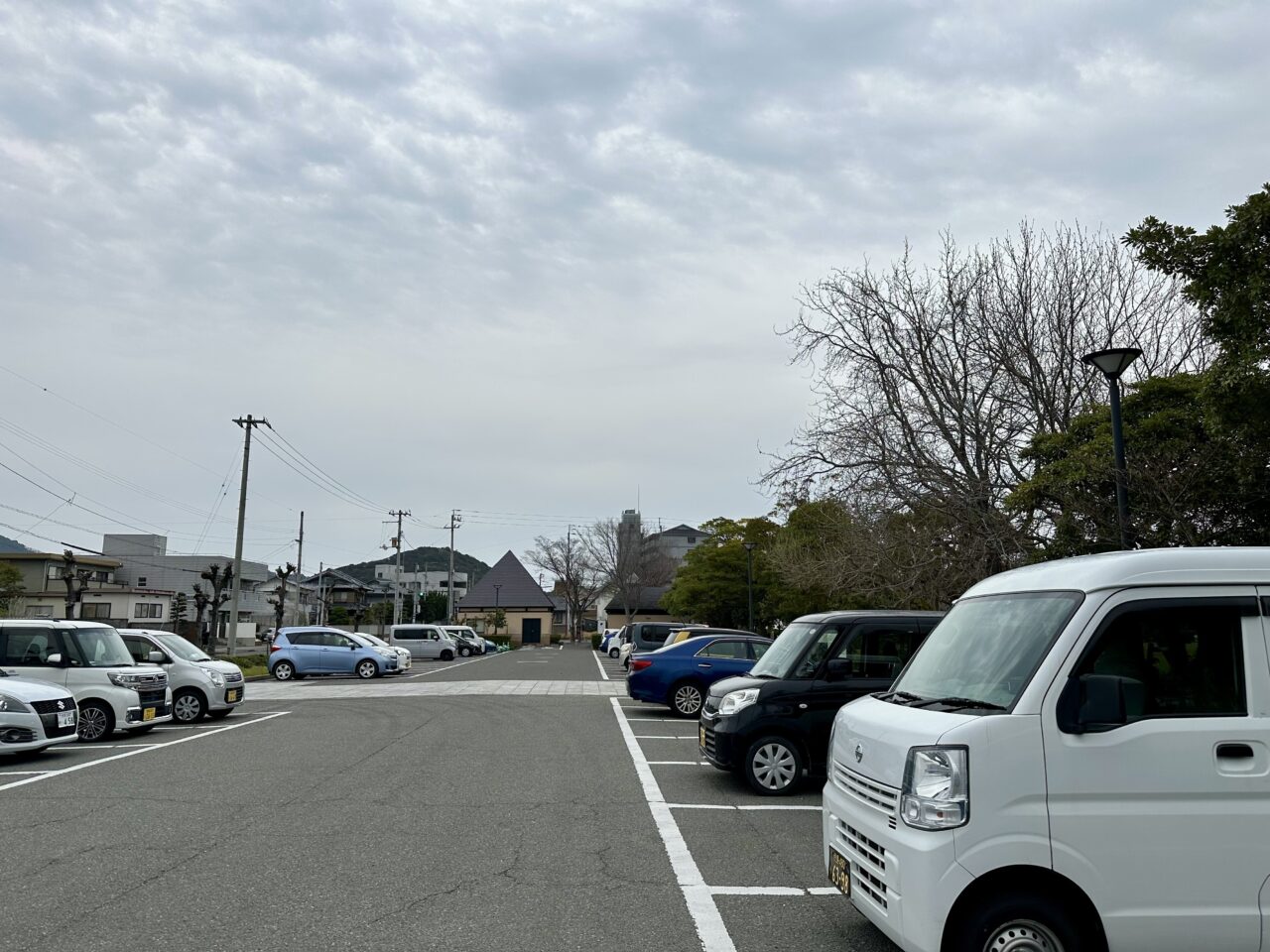
The parking culture in Japan is totally different than the Americas. First, there is no street parking. You either have to park in a designated lot for the business you’re visiting or in a paid lot.
Also, virtually everybody parks by backing in. In addition to it being safer when leaving the spot, parking lots are sometimes a bit narrow so it makes pulling out of the spot easier.
Driving in the City
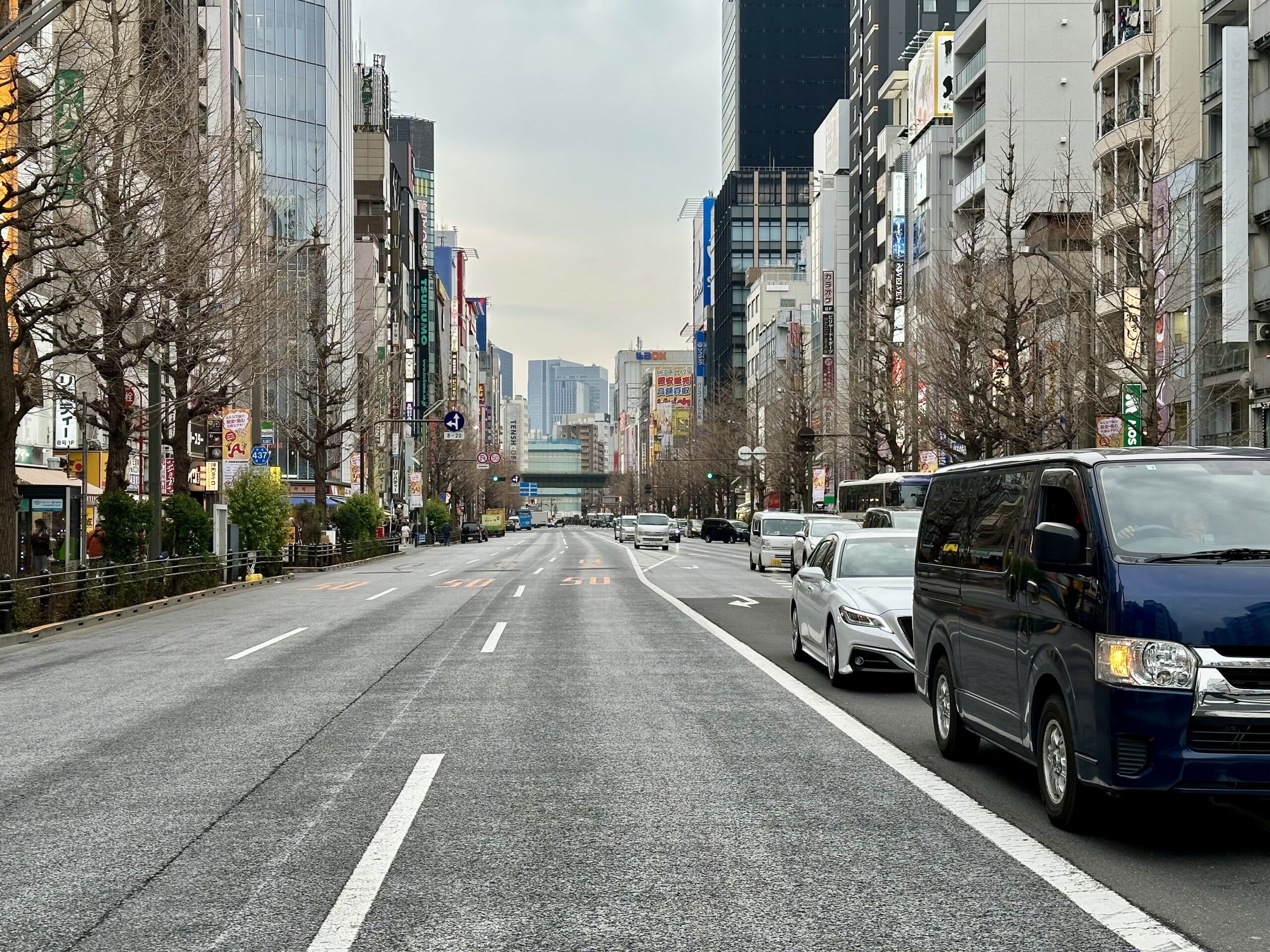
Driving in the city in Japan can be slightly stressful, but in some ways it’s less stressful than other countries’ big cities in that at least it’s not total chaos. But that said, it can be very slow and tight, especially when you have a road full of pedestrians, bicycles, mopeds, stand-up scooters, food delivery bicyclists (who seem to be the craziest), go kart tours (which actually stay in a nice line so they never bother me), and even light poles literally being in the street if there’s no sidewalk.
Driving in the Countryside
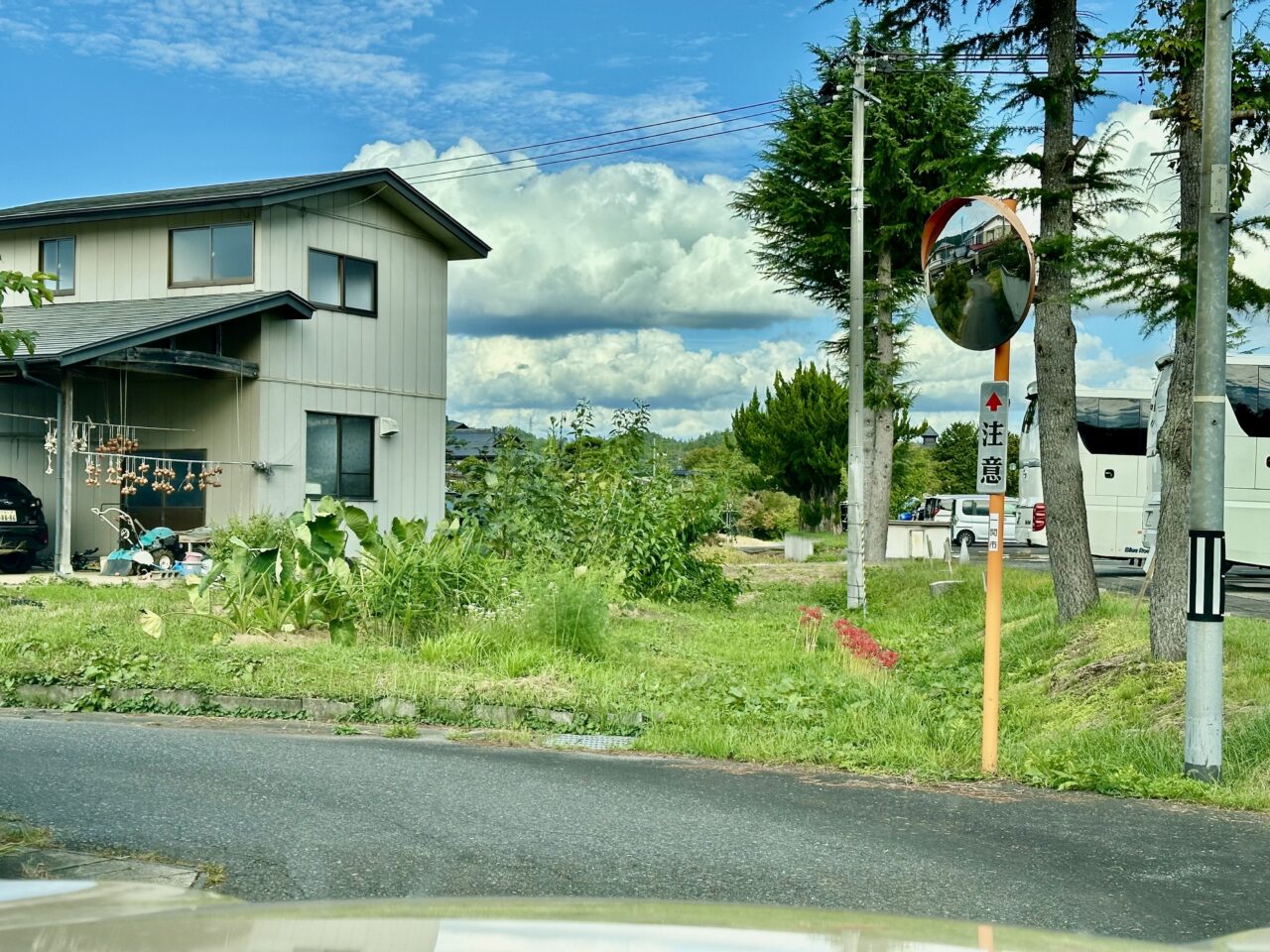
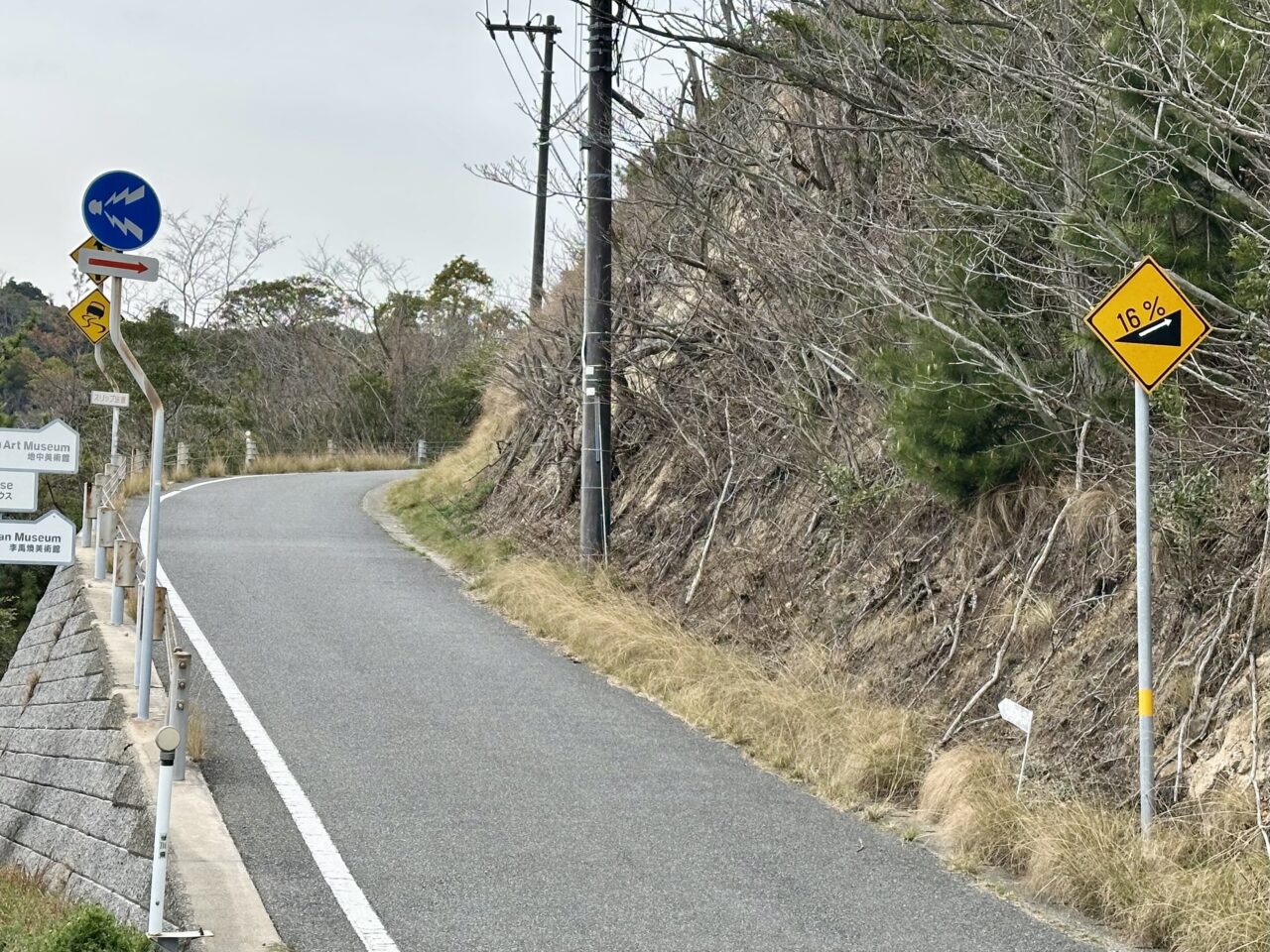
Driving in Japan’s countryside is one of the most rewarding things you can do in Japan. From mountains to rice paddies to coastal cliffs, I will never get tired of seeing the Japanese countryside, and in a car you can travel more freely than on the train or bus. Countryside driving in Japan can be a different experience sometimes, though, mostly because of the tiny roads! There have been times my GPS was telling me to turn but I couldn’t find the road, and I realized “Oh, that wasn’t a long driveway, that’s a road!” And sometimes roads are so narrow and winding, driving can be a challenge. At these times, you have to be careful of cars coming the other way, so look for the mirrors that are common at curves and corners in Japan or you can toot your horn. Don’t let me scare you, most countryside driving feels nice and free, it’s just if you get into the mountains or into a small town that it could get dicey.
Winter Driving
Driving in Japan in the winter can be really beautiful, but you have to be careful with your tires. In North America, many cars have 4-season tires all year round, but in Japan, many cars get summer and winter tires. If you’re renting a car in the winter, especially if you’ll go into the mountains or to snowy regions, be sure the car has winter tires. Sometimes you’ll get to a super remote mountain road with heavy snowfall and there will be signs asking if you’ve put on your tire chains. If you don’t have tire chains, apparently you’re not supposed to drive on these roads. Finally, sometimes mountain roads get totally snowed in and closed off; your GPS likely won’t have this information, but if you’re not driving anywhere remote and crazy you’ll be okay.
Highways
Japanese highways, I’m sorry to say, don’t make for the best road trips. The scenery, or lack thereof, and cost make highway road trips a drag at times. First, Japanese highways have sound barriers on the sides for a large portion of the road, so while the houses nearby can sleep soundly it’s a buzzkill in regards to a view.
Next, all highways in Japan are toll roads, and it’s not cheap! It is often cheaper than the shinkansen, but coming from a country where taking a road trip is a way to save money, that’s not necessarily the case in Japan. Of course the shinkansen is expensive, so especially if you’ve got multiple people, the savings can rack up; and you can also drive places that the train can’t go and take your own route, so it is a freeing experience, but you can’t go into it thinking it’ll be cheap. But let’s take a moment to appreciate the high tolls because Japanese highways do have impeccable maintenance, not a rut or pothole in sight!
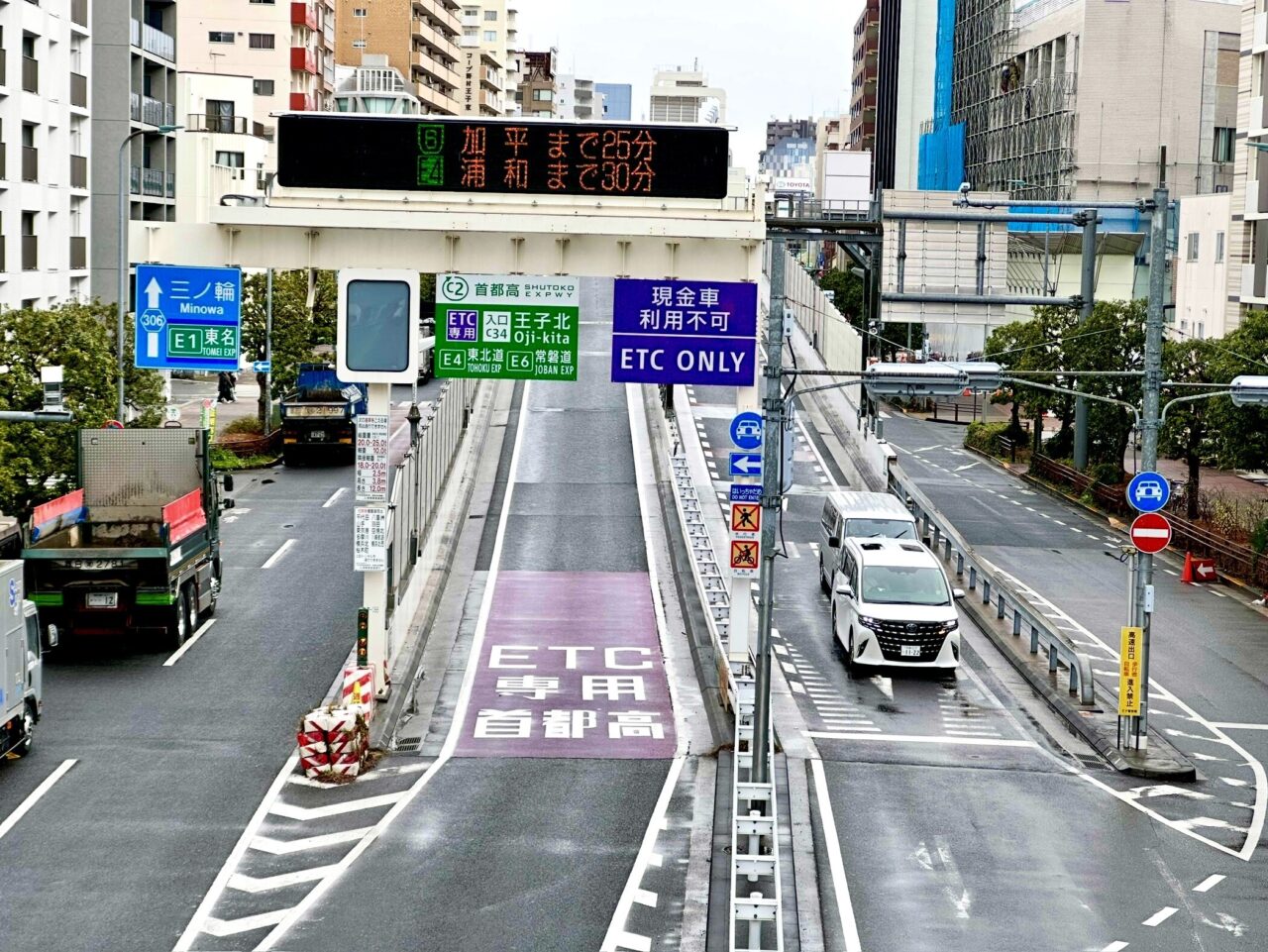
When it comes to paying for tolls, it can be tricky. Some toll booths accept cash and ETC cards, but some only accept ETC. ETC, or electronic toll collection, cards are credit card sized cards that you put into a specialized card reader installed in the car which communicates with the toll booth as you pass through, making for automatic toll payment. If you’re renting a car, you can usually request an ETC for a fee, but if you’ve got your own car you’ll need to get one installed at a shop if you want to use one. Unfortunately, if you don’t have an ETC, there’s no way to set your GPS route for toll booths that accept cash, so you might have to drive to the next entrance/exit if the one you’ve been led to doesn’t accept cash.
Rest Stops
To my great surprise, rest stops are quite nice in Japan! Usually called either Michi no Eki (道の駅- literally road station) or SA (for “service area”), they’re often local tourist attractions with interesting local food and products. Sometimes they have quirky stuff, and sometimes they even have fun activities, too!
Road Signs
Obviously, road signs are different in Japan than other countries. Stop signs are a triangle with the word 止まれ (tomaré – stop). Do Not Enter signs and No Parking don’t have any text; Do Not Enter is a red circle with a white horizontal bar, while No Parking is a blue circle with a red border and a red slash. There are many other signs, so keep an eye out.
As for English availability on signs, most signs with road or town names have English, but other than that, most signs are in Japanese, so be extra aware. For highways, toll road signs are in green but public roads are blue, so that’s a hint if you’re entering a toll road or not.
Traffic Lights, Green Arrows, and Turning on Red
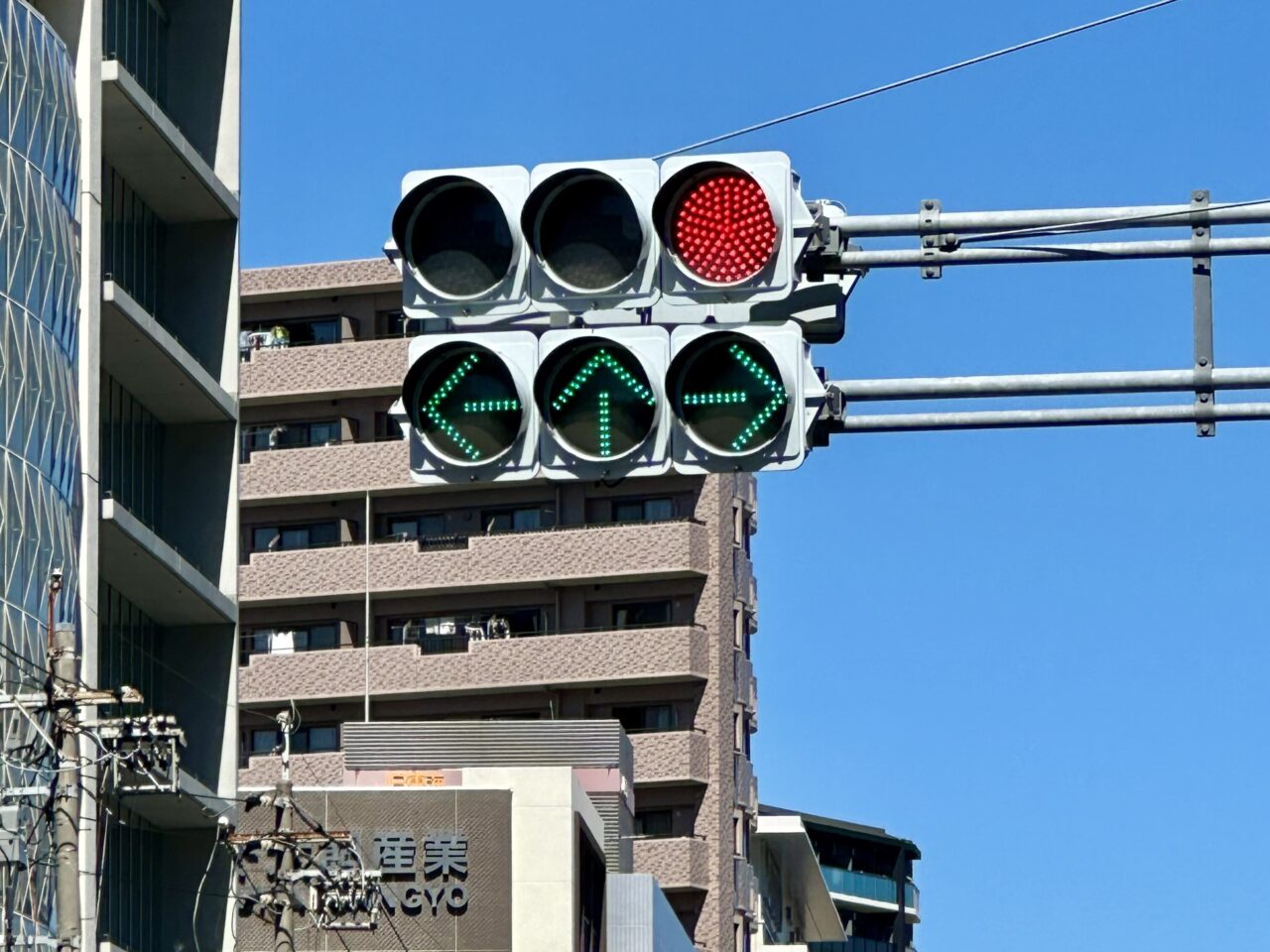
Of course there are traffic lights in Japan, but sometimes the green arrows can be confusing. Often, the main light will be red and there will be green arrows telling you what direction you’re allowed to go for that time. So for example, if the light is red but there’s a green right arrow, you can turn right but can’t go any other direction. Sometimes there are multiple green arrows, so look if the direction you want to go is green or not.
In another contrast to many other countries, you can never turn on red in Japan. If the light is red, you have to wait until it’s green, even if there aren’t any cars.
Using Your Hazard Lights
The obvious reasons to use your hazard lights are if there’s some real emergency or if you’ve pulled over for a moment, but in Japan, there are 3 more sort of unique situations you might use them: when you’re backing into a parking spot, when you’re coming up to a traffic jam, and when you want to thank someone.
First, as mentioned earlier, most of the time when people park, they back into the spot. Of course, to do this, you have to go a bit past the spot and then back in, so you should put your hazard lights on to let the person behind you know you’ll be backing up so they don’t get too close to you.
Next, oftentimes when there’s a traffic jam on the highway, the last car in the jam will put their hazard lights on to let cars behind them know they’ll have to slow down. When you’re pulling up, you may notice the car in front of you has their hazard lights on, or lets them blink a few times. They’ll likely turn them off after you’ve stopped behind them, so of course you should put yours on to alert the driver behind you.
Finally, many people use their hazard lights to thank other drivers. If a driver lets you pass in front of them, lets you in a merge, allows you to drive off first, etc., you should let your hazard lights go off for 2 blinks just as a nice thank you.
Drinking and Driving
The blood alcohol limit in Japan is 0.00%, meaning you can’t drink at all and drive. Serio fusly, don’t do it, not even one glass. To accommodate this, there’s even a service in rural areas and smaller cities you can call which is a special taxi for you and your car. Basically 2 drivers show up in one car, and one of them drives you home and the other car follows for them to get back. If you ever need this service, you can ask the bartender to call a “daikō” (代行) service for you. It’s convenient and they’re always friendly!
Texting While Driving
There is also a strict no-phone use policy in Japan. This is a ticketable offense, so don’t go texting and driving!
Hit the Road
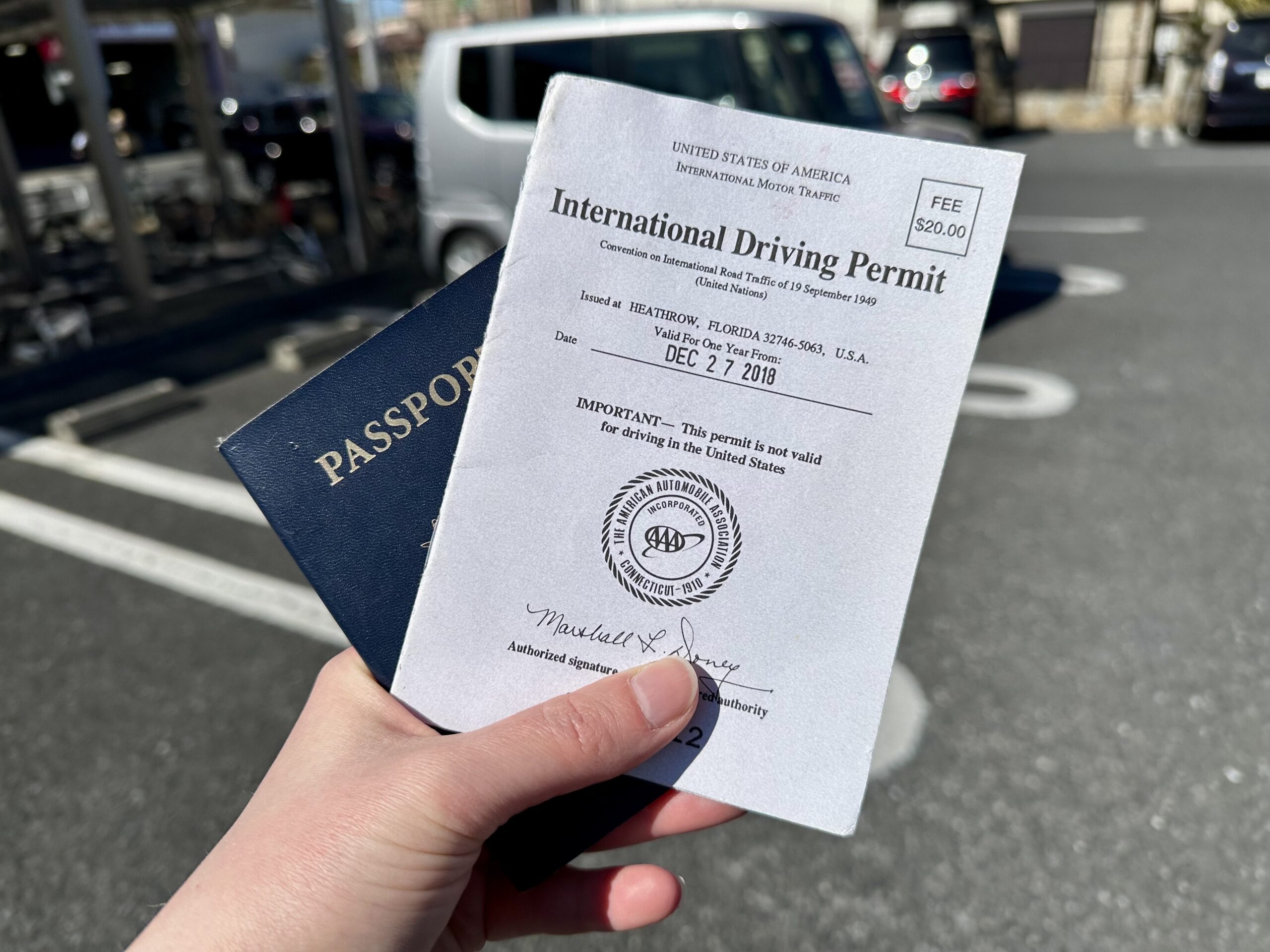
Well, there you have it, there are many differences between driving in the Americas and Japan. Of course there must be many more, so keep your eyes peeled and stay aware, but most of all, have fun while driving! For more information on using a foreign license in Japan, converting your license to a Japanese one, and various other driving topics, see the links below. Safe travels!
Links
How to use an International Driving Permit in Japan
Converting your license to a Japanese license
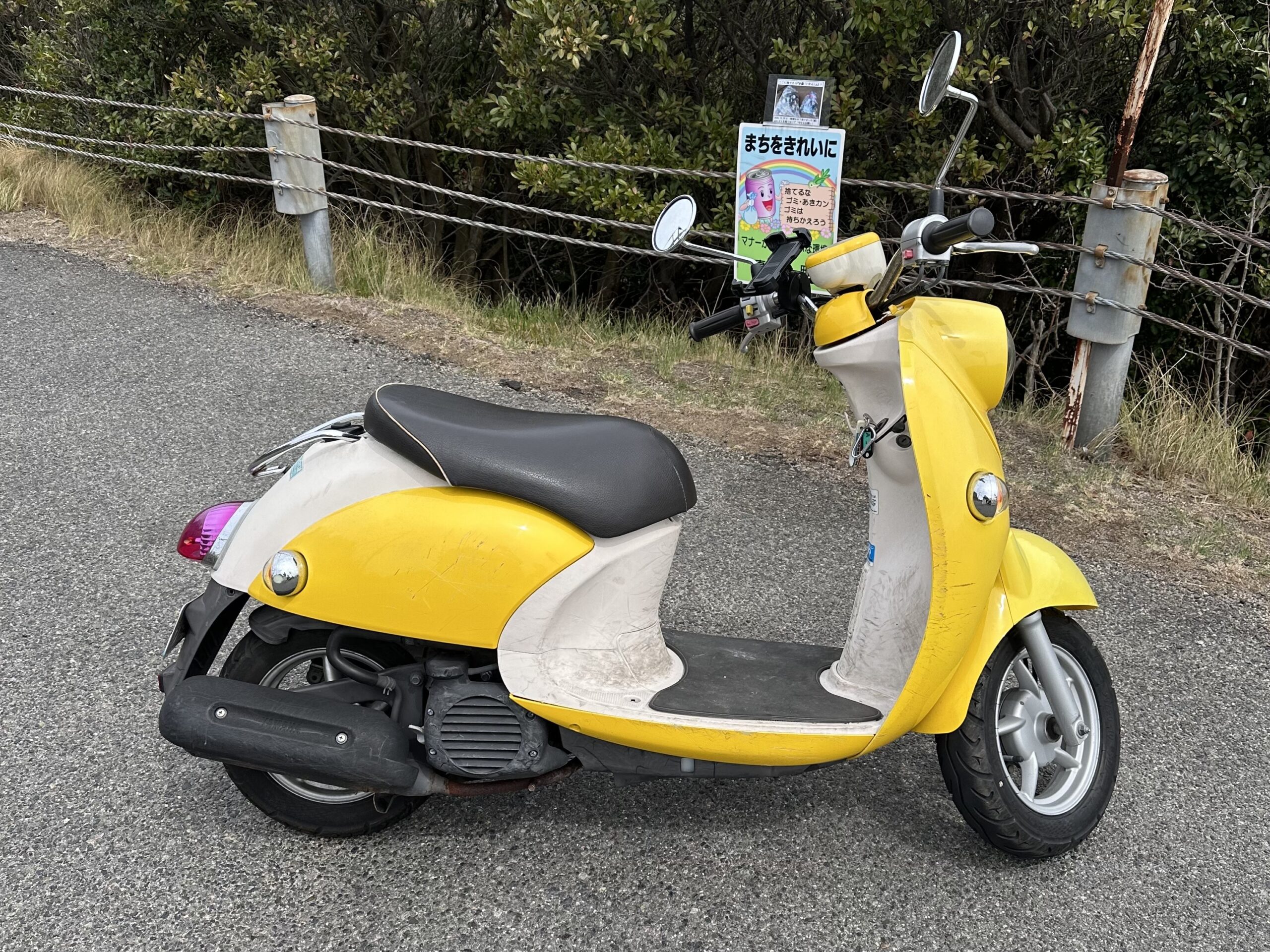
My day renting a moped on a small Japanese island
Aikagi’s blog about all things driving in Japan
Getting around Japan often starts with picking the right neighborhood. Aikagi helps English-speaking renters find apartments across Tokyo, Kanagawa, Saitama, and Chiba.