
The Truth About Tokyo Rent: What Every Expat Needs to Know Before Moving
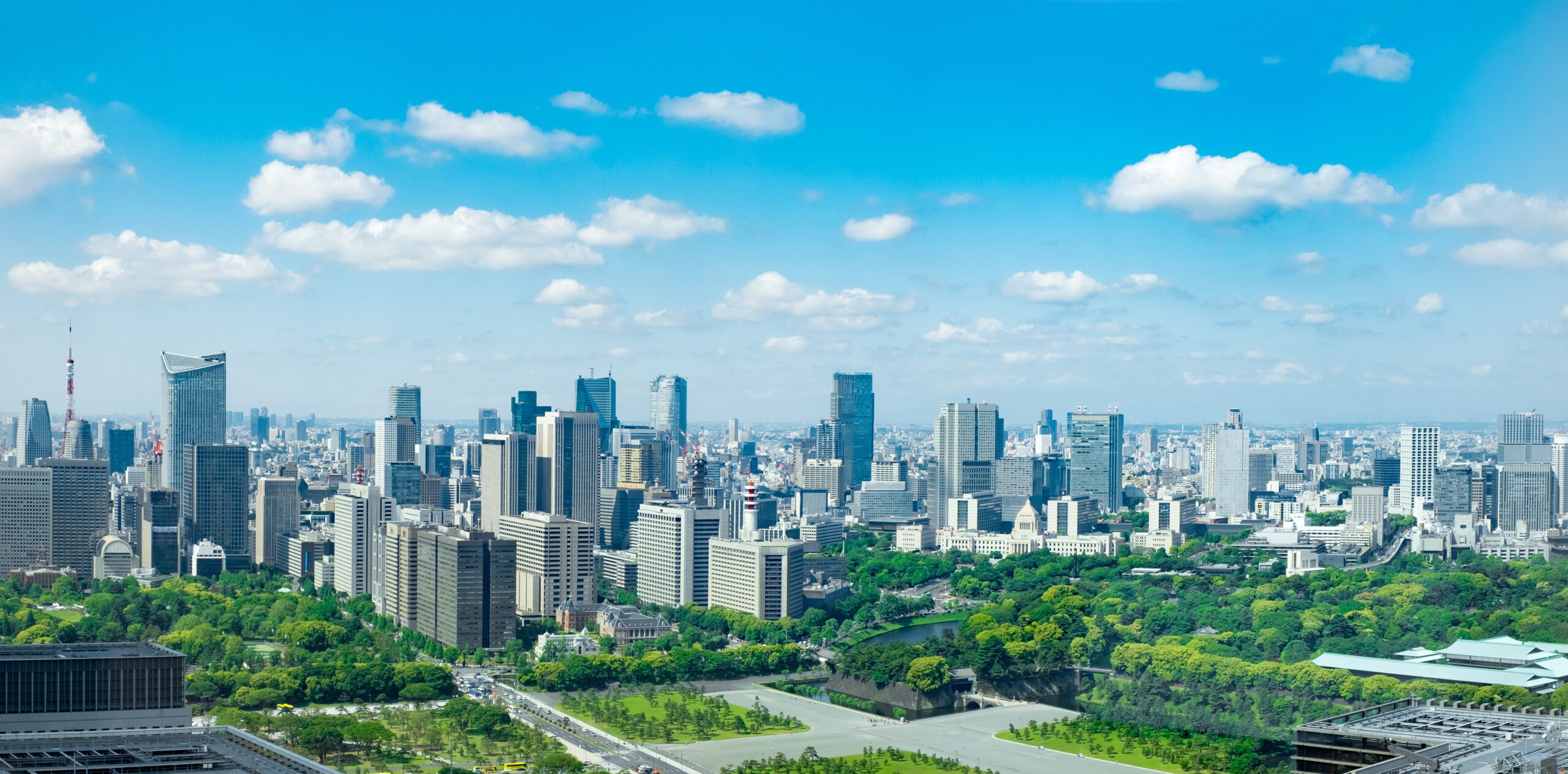
Tokyo rent in 2026: a 1K (studio) averages ¥130,000–150,000 a month in central wards like Minato, Shibuya and Shinjuku, ¥110,000–125,000 in Setagaya, Nakano or Koto, and just under ¥100,000 in Nerima or Suginami. A 1LDK runs roughly double. Move-in costs—deposit, key money, agency fee, guarantor fee—add another three to six months’ rent on top, which is where most newcomers’ budgets go wrong.
Tokyo isn’t cheap, but it isn’t the outlier it’s made out to be either: rents fall fast as you move two or three stations out, and the city’s trains make that a small sacrifice. The hard part for foreigners is less the price than the process—the paperwork, the guarantor company, and finding an agent who will actually work with you.
This guide covers what rent costs by area, every fee you’ll be asked for, the documents you need, how the screening works, which agents and portals are worth your time, and which neighbourhoods suit which kind of life.
How the Tokyo Rental Market Works
Almost everyone in central Tokyo rents an apartment, not a house, and the units are small by Western standards—a “1K” is 20–30 m² with a separate kitchen, a “1LDK” adds a living-dining room. Rent is set by distance from a major station more than by ward: the same apartment two stops further out on the same line is routinely 20–30% cheaper, and Tokyo’s trains make that trade-off painless.
Two things surprise newcomers. Good listings go within days, so you need your documents ready before you start viewing. And the monthly rent is only part of the cost: deposits, key money, agency and guarantor fees mean you’ll hand over three to six months’ rent before you get the keys. Both are covered below.
Breakdown of Tokyo Apartment Rental Costs: Monthly and Long-Term Considerations
Average Rent Prices by Area
Understanding the rental price landscape across different areas of Tokyo is crucial for making an informed decision about where to live. Rent prices can vary dramatically depending on the neighborhood, proximity to public transportation, and the age and condition of the building.
In central wards like Minato, Shibuya, and Shinjuku, a one-room or 1K apartment (roughly 20–30 square meters) now averages ¥130,000–150,000 a month, and a 1LDK (one bedroom plus a living-dining-kitchen, 35–45 square meters) typically runs ¥260,000–290,000. These areas are popular among expats for their convenience, but they come at a premium.
Moving slightly outward to Setagaya, Nakano, or Koto, a 1K averages ¥110,000–125,000 and a 1LDK ¥220,000–250,000—a good balance of affordability and access, often just a short train ride from central Tokyo.
Further out, Nerima and Suginami bring a 1K to just under ¥100,000 (around ¥95,000–98,000) and a 1LDK to ¥190,000–200,000, and parts of Saitama Prefecture next door are cheaper still.
Comparing Short-Term and Long-Term Rental Options
When considering your stay in Tokyo, it’s essential to weigh the pros and cons of short-term versus long-term rentals, as they can significantly impact your overall housing costs.
Short-term rentals (typically less than six months) often come fully furnished and include utilities in the rent. While this can be convenient, especially for those on temporary assignments or still searching for a permanent home, it comes at a premium. Short-term rentals can cost 20-50% more than their long-term counterparts.
Popular options for short-term stays include serviced apartments, monthly mansions (despite the name, these are typically small apartments), and share houses. These options often have more flexible lease terms but less space and privacy compared to traditional rentals.
Share houses are the easiest way in for a first year—our share house guide covers costs, areas, and how to choose one.
Long-term rentals (usually with lease terms of one to two years) are generally more cost-effective if you plan to stay in Tokyo for an extended period. While they require a larger upfront investment in terms of move-in costs and furnishings, the monthly rent is typically lower, and you have more options in terms of location and apartment size.
For a side-by-side look at mansions, apāto, share houses, and serviced apartments, see our guide to housing types in Japan.

Additional Fees and Expenses to Consider
When budgeting for housing in Tokyo, it’s crucial to account for various additional costs beyond the monthly rent. These can significantly impact your overall housing expenses:
- Initial costs: These one-time fees can amount to 3-6 months’ worth of rent and typically include:
- Shikikin (Security deposit): Usually 1-2 months’ rent
- Reikin (Key money): A non-refundable gratuity to the landlord, often 1-2 months’ rent
- Agency fee: Typically one month’s rent
- Guarantor company fee: About half to one month’s rent
- Utilities: Unlike some short-term rentals, most long-term apartments require tenants to set up and pay for their own utilities. These can collectively add about ¥10,000 to ¥20,000 per month to your housing costs.This includes:
- Electricity
- Gas
- Water
- Internet
- Maintenance fees: Some apartments, especially in larger complexes, charge a monthly maintenance fee (kanri-hi) for upkeep of common areas. This can range from ¥5,000 to ¥25,000 per month.
- Property insurance: While not always mandatory, it’s advisable to have renter’s insurance. This typically costs around ¥10,000 to ¥20,000 per year.
- Furnishings and appliances: Long-term rentals in Japan often come unfurnished and may not include basic appliances like refrigerators or washing machines. Budget for these initial purchases if necessary.
- Transportation costs: While not a direct housing expense, your choice of location will impact your commuting costs. Living further from your workplace or school might reduce rent but increase transportation expenses.
Electricity, gas, water, and internet each need a separate contract—see how to set up utilities in a new apartment. And for what it really costs to furnish a bare apartment, read how Stephanie furnished hers on a budget.
By considering all these factors, you can develop a comprehensive understanding of the true cost of renting in Tokyo. This holistic approach to budgeting will help you make a more informed decision about where to live and what type of rental agreement best suits your needs and financial situation.

Navigating the Rental Process as an Expat in Tokyo
Required Documents for Renting
As an expat in Tokyo, securing an apartment requires preparation and a set of specific documents. Being well-prepared can significantly smooth the rental process. Here are the key documents you’ll typically need:
- Passport: Your valid passport is essential for identification purposes.
- Residence Card (在留カード, Zairyu Card): This card, issued to foreign residents staying in Japan for more than 90 days, is crucial for any official procedure, including renting.
- Proof of Income: This can be in the form of payslips, a certificate of employment (在職証明書, Zaishoku Shomeisho), or tax returns. Landlords typically look for a monthly income that’s at least three times the monthly rent.
- Bank Account Details: A Japanese bank account is often required for setting up rent payments.
- Personal Seal (印鑑, Inkan): While not always necessary, having a personal seal can be useful as it’s often used in place of signatures in Japan.
- Guarantor or Guarantee Company Contract: Most landlords require a guarantor. You’ll need to use a guarantee company (保証会社, Hosho Gaisha) which, for a fee, acts as your guarantor.
- Japanese Phone Number: This is necessary for contact purposes and often required on rental applications.
Self-employed or freelancing? Landlords read your income differently—here’s how to pass the screening as a freelancer. If you don’t have a personal seal or a Japanese number yet, see our guides to getting a hanko and getting a Japanese phone number.

Some landlords or real estate agencies might request additional documents, so it’s best to confirm the exact requirements beforehand.
Understanding Lease Agreements and Rental Terms
Navigating Japanese lease agreements can be challenging, especially with potential language barriers. Here are key aspects to understand:
- Lease Duration: Standard leases in Japan are typically for two years (定期借家契約, Teiki Shakuya Keiyaku). Some landlords offer shorter terms, but these may come with higher monthly rents.
- Rent Payment: Rent (家賃, Yachin) is usually paid monthly and in advance. Many landlords require automatic bank transfers.
- Security Deposit (敷金, Shikikin): This is usually one to two months’ rent and is refundable at the end of your lease, minus any damages or cleaning fees.
- Key Money (礼金, Reikin): A non-refundable payment to the landlord, typically one to two months’ rent. Not all properties require this, but it’s still common.
- Renewal Fee (更新料, Koushinryo): If you choose to renew your lease after the initial term, you may need to pay a renewal fee, often one month’s rent.
- Notice Period: Most leases require one to two months’ notice before moving out.
- Subletting: Generally prohibited without explicit permission from the landlord.
- Pets: Many apartments in Tokyo do not allow pets. Those that do may require an additional deposit or higher rent.
- Modifications: Tenants are usually not allowed to make significant changes to the property without the landlord’s permission.
- Utility Payments: Typically, tenants are responsible for setting up and paying for their own utilities.
Moving with a pet? Our pet-friendly housing guide lists the wards and buildings that actually allow them.
Remember, while some of these practices might seem unusual compared to your home country, they are standard in Japan. Being prepared and informed about these aspects of renting in Tokyo will help you navigate the process more effectively and avoid potential misunderstandings or surprises.
Effective Strategies for Finding Affordable Apartments in Tokyo
Utilizing Real Estate Agents and Online Platforms
Finding an affordable apartment in Tokyo can be challenging, but with the right strategies, it’s certainly achievable. Here are some effective methods to assist your search:
Real estate agents (不動産屋, fudousan-ya) and listing portals play different roles, and not all of them work in English. Here is how the main options compare:
| Service | Type | Best for | English | Notes |
|---|---|---|---|---|
| SUUMO / HOME’S / AtHome | Listing portals | Seeing the widest range of listings and price levels | No (Japanese UI) | Not agents—your inquiry goes to whichever agency posted the listing |
| Able | Nationwide agency chain | Budget-minded renters | Limited (branch-dependent) | Frequent no-key-money / reduced-fee campaigns |
| Mini Mini | Nationwide agency chain | Students and young professionals | Limited | Half-month agency fee on properties they manage |
| Tokyo Apartment Inc. | Foreigner-focused agency | Newcomers who want the whole process in English | Yes | Curated, foreigner-friendly listings; fees at the standard rate |
| GaijinPot Housing Service | Foreigner-focused agency | Renters without a Japanese guarantor or income history | Yes | Higher share of “no guarantor / no key money” listings; rent tends to be higher |
| Oakhouse | Share houses & furnished apartments | Short stays and your first months in Japan | Yes | Low move-in costs, month-to-month possible |
| Borderless House | International share houses | Meeting Japanese housemates / language exchange | Yes | Half Japanese, half international residents by design |
| Aikagi | English-speaking rental support | Searching across all portals with someone on your side | Yes | Tokyo, Kanagawa, Saitama, Chiba |
- Social Media: Joining Facebook groups for expats in Tokyo or following relevant Twitter accounts can lead to rental opportunities or connect you with others who can offer advice.
- University Housing Offices: If you’re a student, check if your university offers housing services or has partnerships with local real estate agencies.
- Company Housing Services: Some larger companies offer housing assistance to their foreign employees. Check with your HR department if this is available.


Exploring Expat Forums and Communities
Tapping into expat communities can provide valuable insights and sometimes lead to unique housing opportunities:
- Online Forums: Websites like Reddit (r/japanlife, r/movingtojapan) and Japan Guide forums have active communities where you can ask questions and get advice from experienced expats.
- Expat Meetups: Attend local expat gatherings or events. These can be great places to network and get housing tips or even find potential roommates.
- Language Exchange Groups: Participating in language exchange events can help you meet locals who might have insider knowledge about affordable housing options.
- Professional Networks: If you’re moving for work, connect with colleagues or industry peers who may have housing recommendations.
- Alumni Networks: If you’re a graduate of a university with a presence in Japan, check if they have an alumni network in Tokyo.
When using these community resources, remember to:
- Verify Information: Cross-check any advice or leads you receive.
- Be Cautious: Exercise due diligence, especially when dealing with private listings or individual landlords.
- Respect Community Guidelines: When posting questions, ensure you’ve done basic research first and follow forum rules.
By combining these strategies – leveraging both professional services and community resources – you can increase your chances of finding an affordable apartment that meets your needs. Remember, persistence and flexibility are key in Tokyo’s competitive rental market. Don’t be discouraged if your first few attempts don’t work out; keep exploring different areas and types of housing until you find the right fit for your budget and lifestyle.
Choosing the Right Tokyo Neighborhood for Your Lifestyle
Popular Expat Neighborhoods in Tokyo
Tokyo is a vast metropolis with diverse neighborhoods, each offering a unique living experience. Here are some areas popular among expats, along with their characteristics:
- Minato-ku:
- Known for areas like Roppongi, Azabu, and Hiroo
- High concentration of embassies and international businesses
- Abundant international schools and English-speaking services
- Higher cost of living, but offers a very international environment
- Shibuya-ku:
- Home to the famous Shibuya Crossing
- Youthful and trendy atmosphere
- Areas like Daikanyama and Ebisu offer a mix of urban convenience and residential calm
- Popular among young professionals and those in creative industries
- Shinjuku-ku:
- Major transportation hub
- Diverse neighborhood with busy commercial areas and quiet residential pockets
- Areas like Kagurazaka offer a blend of traditional and modern Japan
- Setagaya-ku:
- Large, primarily residential ward
- Popular areas include Shimokitazawa (known for its bohemian vibe) and Sangenjaya
- Family-friendly with many parks and good schools
- Generally more affordable than central Tokyo
- Meguro-ku:
- Known for the trendy Nakameguro area
- Quieter and more residential than neighboring Shibuya
- Popular among expat families and young professionals
Factors to Consider When Selecting a Location
When choosing your neighborhood in Tokyo, consider these key factors:
- Commute Time:
- Tokyo’s excellent public transportation system means you can live further from work, but consider the trade-off between rent and commute time
- Look at the train lines serving the area and how directly they connect to your workplace or school
- Budget:
- Generally, prices decrease as you move away from central Tokyo
- Consider the total cost of living, including rent, transportation, and local amenities
- Lifestyle Preferences:
- Do you prefer a bustling urban environment or a quieter, more residential area?
- Consider proximity to parks, shopping areas, and entertainment districts
- International Community:
- Some areas have larger expat populations, which can ease the transition to life in Japan
- However, living in a more Japanese area can offer a more immersive cultural experience
- Language Barriers:
- Areas popular with expats often have more English-speaking services
- Consider your Japanese language ability and comfort level in navigating daily life
- Family Considerations:
- If you have children, research international schools or bilingual education options in the area
- Look for family-friendly amenities like parks and child-care facilities
- Safety:
- While Tokyo is generally very safe, some areas might feel more comfortable, especially if you’re new to the city
- Local Amenities:
- Check for nearby supermarkets, gyms, hospitals, and other facilities you might need regularly
- Some areas have more international supermarkets stocking familiar products from home
- Future Development:
- Research any planned developments in the area that might affect property values or quality of life
- Building Age and Earthquake Resistance:
- Newer buildings often have better earthquake resistance and modern amenities
- Older buildings might offer more space for less rent but could lack some modern features
By carefully considering these factors, you can find a neighborhood that not only fits your budget but also aligns with your lifestyle preferences and needs. Remember, Tokyo’s excellent transportation system means you can always explore other parts of the city, even if you don’t live directly in the most popular areas.

Conclusion: Making the Right Housing Choice in Tokyo
Evaluating Your Needs and Budget
As you embark on your journey to find the perfect home in Tokyo, it’s crucial to take a step back and carefully evaluate your needs and budget. This final assessment will help you make a decision that aligns with both your lifestyle aspirations and financial realities.
Consider creating a prioritized list of your housing requirements. This might include factors such as:
- Maximum acceptable commute time
- Desired apartment size
- Must-have amenities (e.g., in-unit washing machine, balcony)
- Proximity to specific facilities (international schools, gyms, parks)
- Preferred level of neighborhood liveliness
Next, revisit your budget with a critical eye. Remember to account for all potential costs, including:
- Monthly rent
- Upfront costs (deposit, key money, agency fees)
- Utility expenses
- Transportation costs from potential neighborhoods to your workplace or school
- Furnishing costs if you’re opting for an unfurnished apartment
Being realistic about what you can afford will help narrow down your options and prevent financial stress in the long run.
Recap of Key Considerations
As you make your final decision, keep these key points in mind:
- Location vs. Space: In Tokyo, you often have to choose between a central location and a larger living space. Decide which is more important for your lifestyle.
- Short-term vs. Long-term: Consider how long you plan to stay in Tokyo. This can influence whether you opt for a more flexible short-term rental or commit to a standard two-year lease.
- Cultural Immersion: Decide how important it is for you to live in an area with a significant expat community versus a more traditionally Japanese neighborhood.
- Future Flexibility: Think about potential changes in your situation. Will you need to accommodate a growing family or a change in work location?
- Support Systems: Consider the availability of English-speaking services, international groceries, and other support systems that might be important for your daily life.
Remember, finding the right home in Tokyo is a journey that requires patience and often involves some compromise. Don’t be discouraged if your first choice doesn’t work out – Tokyo’s dynamic housing market means new opportunities are always emerging.
By thoroughly understanding the Tokyo rental landscape, being clear about your priorities, and remaining flexible, you’ll be well-equipped to find a home that not only meets your needs but also enhances your experience of living in this vibrant, exciting city
Q&As About Tokyo Rent
How expensive is it to rent an apartment in Tokyo, and what factors influence the cost?
Rent prices in Tokyo vary significantly depending on location, size, and building age. Central areas tend to be more expensive, but factors like commute time and amenities can also affect costs. As a rough guide, budget ¥110,000–150,000 for a 1K in central wards and just under ¥100,000 further out.
What are the typical initial costs when renting an apartment in Tokyo?
Initial costs can be substantial and often include a security deposit, key money, agency fees, and a guarantor company fee. These can amount to several months’ rent.
How can I find a suitable apartment in Tokyo as a foreigner?
Utilize real estate agents, online platforms, expat communities, and university or company housing services. Networking with other expats can also be helpful.
What are some popular neighborhoods for expats in Tokyo?
Minato, Shibuya, Shinjuku, Setagaya, and Meguro are popular choices among expats, each offering unique characteristics and amenities.
What factors should I consider when choosing a neighborhood in Tokyo?
Commute time, budget, lifestyle preferences, international community, language barriers, family considerations, and building age are important factors to consider.
Understanding Tokyo rent is step one, finding the right apartment is step two. Aikagi helps English-speaking renters search across Tokyo, Kanagawa, Saitama, and Chiba.