
Dieting While Traveling in Japan
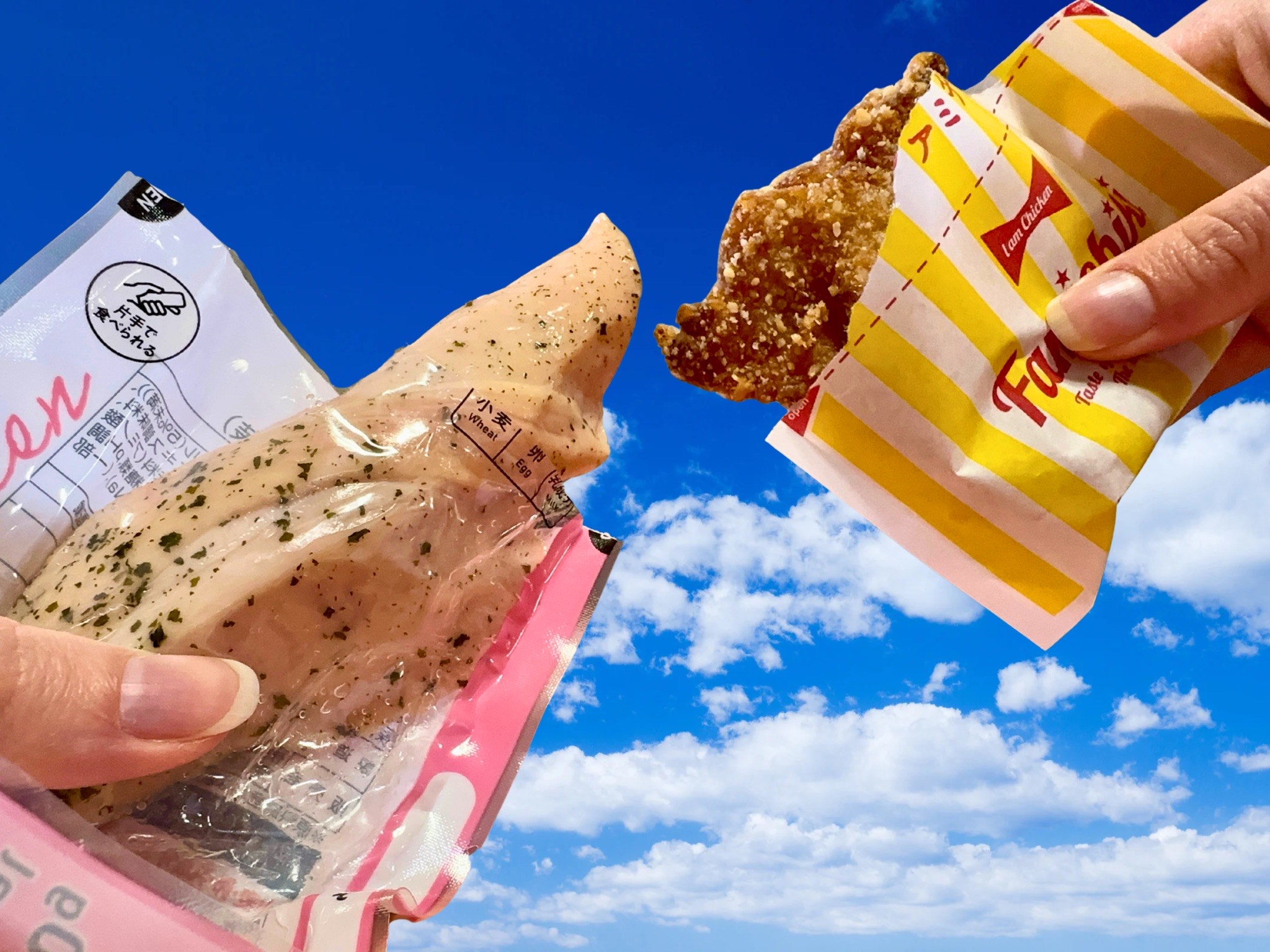
Japanese food is just amazing, isn’t it? There are so many foods to try and often so little time in the country! But if you’re trying not to fall off your healthy bandwagon while visiting Japan, it’s not always so easy. While traditional Japanese food is quite healthy, in the modern day there is more fried food than you’d expect (think karaage fried chicken), as well as oily, salty, and fatty dishes (I’m looking at you, ramen). Plus, the cuisine is very carb-heavy, with some meals running low on protein or vegetables. So how can you make some diet-friendly choices while you’re in the land of rice? Let’s dig in to find out.
Ordering a Small Rice/Noodle Portion
One of the most surprising things about eating out in Japan is that you can often order a smaller serving of rice (and sometimes noodles)! This is called gohan sukunamé (ご飯少なめ), or literally “small rice/food” (or in the case of noodles, replace gohan with men for “noodle”). I often order this when I feel like I want to eat but not get stuffed, or when I want to save room for more food later. Sometimes when you order the small rice you’ll get a discount, but not always. *As a technicality, I can’t find whether gohan sukunamé means you’ll get just less rice or less food overall, so that might vary by restaurant.
Sometimes they’ll ask you how much rice you want by using this question: Gohan no ryō/saizu wa dō saremas ka? What amount/size of rice do you want? (ご飯の量/サイズはどうされますか?)
And you can answer by saying gohan sukunamé de (onegaishimas). Small rice (please). (ご飯少なめでお願いします)
You can try to ask for a small rice in any restaurant whether it’s on the menu or not; it’s not a strange thing to request in Japan and the worst they can do is tell you they don’t do it at this establishment. If you want to try, you can ask gohan sukunamé wa dekimas ka? Can I get a small rice? (ご飯少なめはできますか?)
Ordering a small serving of noodles seems to be a bit less common, but you’ll sometimes see the option at ramen shops, so keep an eye on the ticket vending machine. If the menu is only in Japanese, it’ll be written as 麺少なめ (men sukunamé, small noodle), but you can try to ask the staff as well.
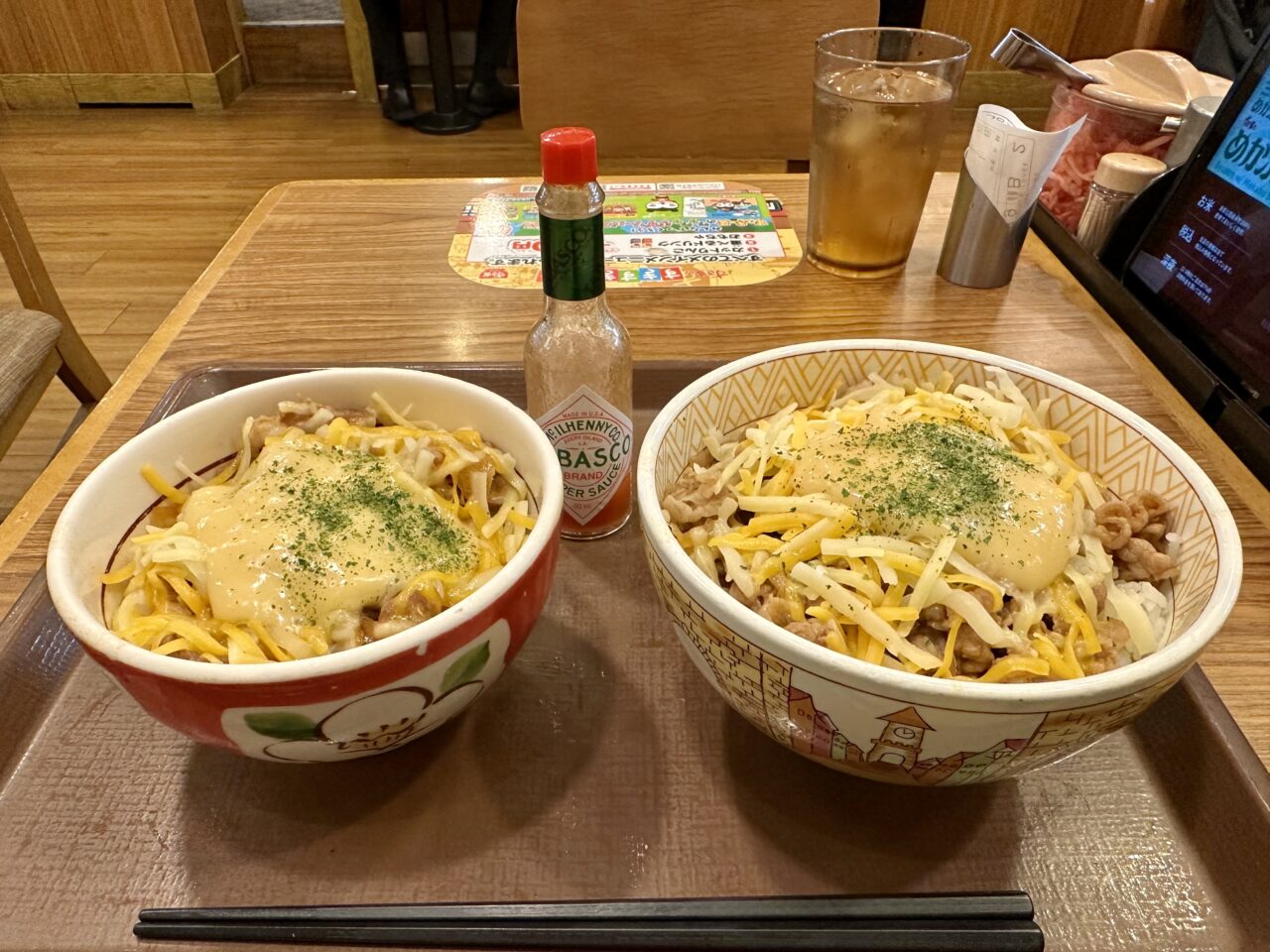
Substitutions and Ordering Without
While in the US and some other western countries asking for a substitution is common, especially for the sides in your meal, in Japan it’s almost unheard of. A few more modern or tourist-focused places may offer the option to substitute out a side, so keep an eye on the menu for that option, but most places do not.
When it comes to asking them to hold a topping, this is more common these days, but still not super widespread. If you don’t want to eat a specific ingredient you can try to ask them to hold it by asking X nashi de (onegaishimas), or “without X (please)” (X無しでお願いします), but the reliability of the chef remembering to leave off the item is really hit or miss, probably because they’re used to assembling the menu item as-is hundreds of times per day. If you have a dietary restriction or food allergy, you should probably make a Japanese food allergy card, but if you just don’t want to eat something because of the calories you might end up having to eat around the item.
Tasty Franchises with Diet Options
A few franchises, however, have some healthy low-carb substitution and other dieting options, and they’re tasty! Both of these franchises have English menus and their allergen information is easy to find also, so they’re good for people with various diet restrictions. Did I mention they’re tasty? Some people might balk at eating at a franchise, but these two are pretty good!
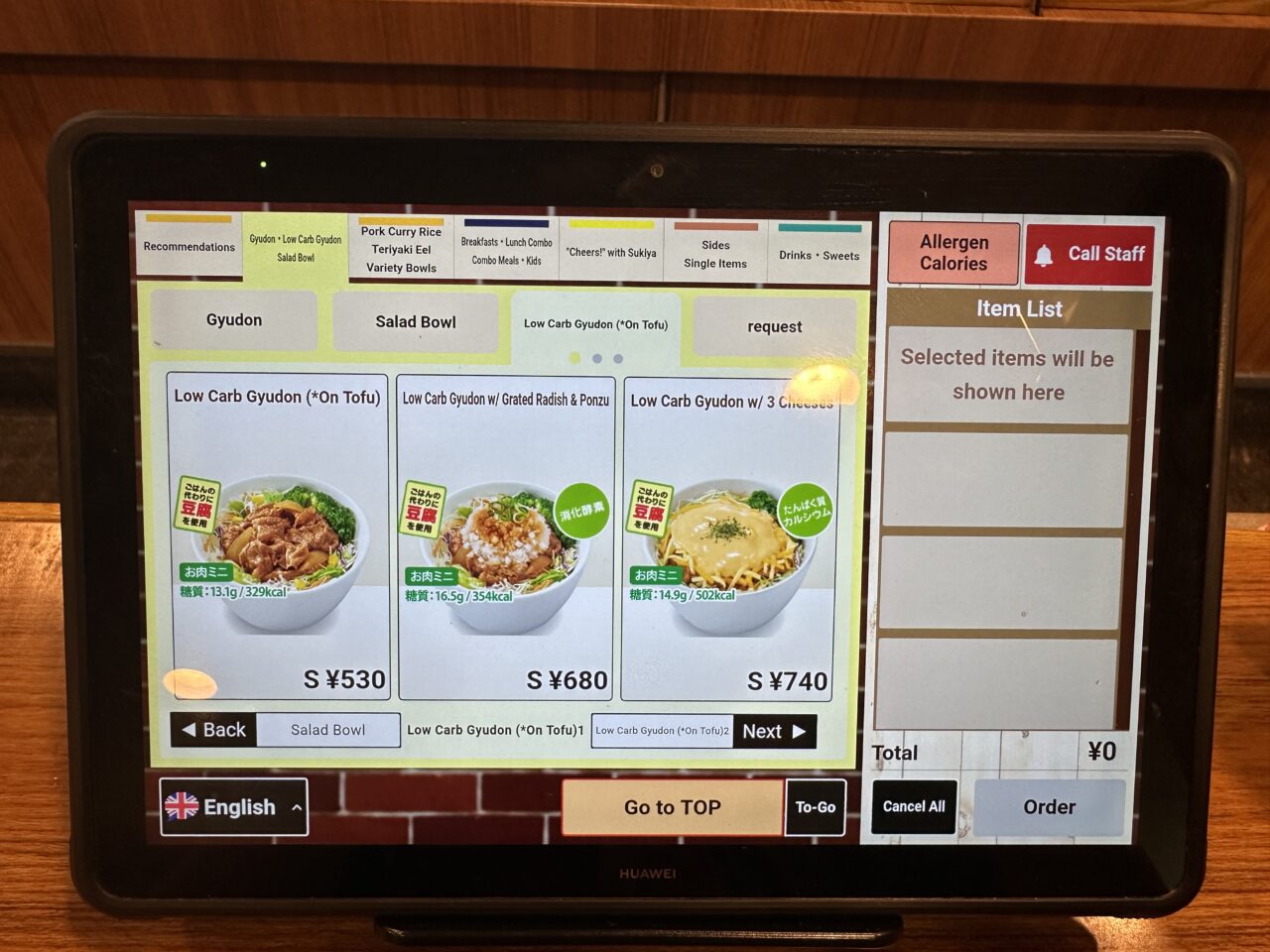
First, Sukiya is a famous gyudon (steak-rice bowl) franchise, and there are a few ways to stay diet-conscious here. First, you can get any beef bowl in a “mini” size. Next, with any meal, you can get a side salad or pickle dish (or both). On top of that, they have meal-size salads, a rarity in Japan. Finally, they have a few “low-carb” options where you can switch the rice out for tofu, so you essentially end up with beef-topped tofu. It’s tasty!
Another one is Coco Ichibanya Curry (stylized as Coco ICHIBANYA, a.k.a. Cocoichi), where you can get a few diet-friendly options. First, they have a few different half-size plates if you’re not very hungry, and for any regular-size plate you can also choose the rice amount, ranging from small (which is actually a normal size rice at that Japanese people eat at home), regular (which is actually double the small), to various levels of “big.” You can also add a side salad to any meal, and you can add various vegetables into your curry. But the thing that would make the hardcore dieters happy is the option of cauliflower rice. You can choose a few different base curries with cauliflower rice and then customize your toppings. If you don’t mind cauliflower rice, this is a good option for you. Cocoichii also has vegetarian options, for anyone who needs them, and the curry itself is pretty nice.
Eating Low-Carb Sushi
If you want to eat sushi but are conscious about the rice, you have two options: get a smaller rice portion in your sushi pieces or get sashimi. You can do either at most sushi shops with a counter where you can order directly from the sushi chefs, but at a conveyor belt sushi restaurant you can only usually get a small rice (not sashimi).
First, about sushi (寿司), the two parts of a sushi piece are the neta (topping, ネタ), and shari (rice, シャリ). Sometimes they’ll ask you the size shari you want, or you can ask directly when ordering your pieces by saying shari-shō (small rice, シャリ小).
Next, sashimi (刺身) is raw fish without rice, one of my favorite Japanese dishes. It might seem like sushi and sashimi are the same, and in many American sushi restaurants there isn’t a big distinction, but in the Japanese culinary world they are not interchangeable. If you go to an izakaya (Japanese pub, 居酒屋) they will often have sashimi on the menu. Sometimes if you go to a sushi restaurant with a counter where you order directly from the sushi chef (not a conveyor belt sushi franchise), you can ask them if they serve sashimi. You can say o-sashimi wa arimas ka? (Do you have sashimi? お刺身はありますか?)
A big note, if you order sushi and don’t want the rice, you should NOT eat the fish and leave the rice. A few years ago a news story about this got big and the whole country basically got angry. You just gotta suck it up and eat the rice, or don’t eat at that restaurant if they don’t offer sashimi.
Izakaya Pubs Make Dieting Easy
You might not think of izakaya (the Japanese equivalent of pubs, 居酒屋) would be a place you can eat healthily, but they’re a bit different from pubs in the west, and that makes eating healthy a bit easier… Let me explain.
Of course most people go to izakaya to drink beer and eat fried stuff, but you don’t have to do that at all. Izakaya often have vast food and drink menus, and unlike many restaurants in Japan, you normally order each dish à la carte, so you can really customize your meal. Izakaya menus staples often include: yakitori, grilled chicken on a stick, which you can order brushed with salt or a sweet sauce; sashimi (described above); and various small vegetable dishes, salads, and pickles such as edamame soy beans, kimchi or tsukemono (Japanese pickles), cucumber, and tomatoes. You can mix and match these dishes to fill your protein and vegetable desires, all without ordering rice, noodles, or fried things if you don’t wish.
As for avoiding calories with alcohol, I recommend trying a high ball. High balls are Japanese whiskey cocktails made by blending whiskey with a carbonated beverage, not unlike a gin and tonic (but with a different taste, of course). The standard one will be whiskey mixed with soda water, so the only calories are coming from the whiskey.
Diet Soft Drinks
Most restaurants in Japan do not have “diet” drinks, such as diet sodas. You can get these in bottles in convenience stores and supermarkets, but not usually at a restaurant. Most restaurants offer tea (oolong, green, or barley in the summer), coffee, cola, juice, and sometimes ginger ale, so if you’re looking to avoid calories in your drink you should probably go with the tea or coffee. You can also just ask for water, but note that some restaurants and cafes have a 1-drink per person rule; it depends on the establishment, so give it a try.
Convenience Stores and Shopping Mall Food Floors
I think the easiest way to diet on the go is convenience stores and shopping mall food floors. If you’re on your way back to your hotel or have another place to eat such as the seating area of the store, these are a great way to grab some quick food to scarf down.
Let’s start with the latter. Shopping malls, including those connected to major train stations, almost always have a basement floor dedicated to prepared food vendors. This basement floor is known as depachika (デパ地下) which is an abbreviated way of saying “department store basement.” There are many kiosks with ready-to-eat salads and vegetable, meat, and fish dishes. They’re more expensive than convenience stores, but the quality is fantastic.
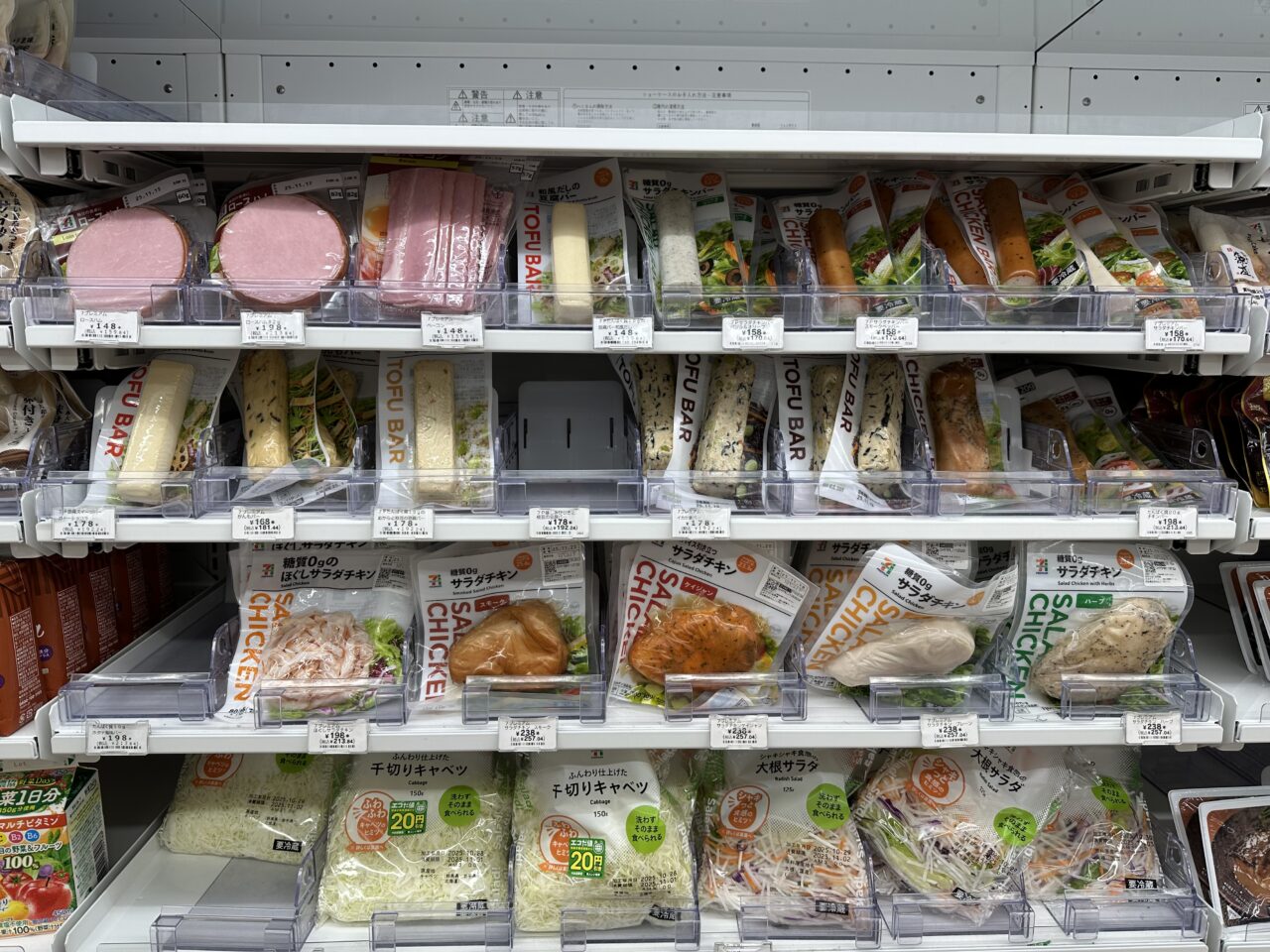
As for convenience stores, they’re great for grabbing a variety of food quickly. If you want yogurt, vegetable juice, a salad, and chicken, you can get exactly those things. I’m a big fan of vegetable juices in cartons in Japan, they usually taste pretty natural. As for protein, you can get individual servings of cooked chicken, as well as fish or tofu bars. Eating cold, pre-cooked chicken might not seem appealing, and I won’t try to over-sell it, but it’s good for when you want that protein punch. And having a bar of tofu probably doesn’t seem like the most appetizing thing in the world, but actually these pre-packaged tofu bars are pretty good. The texture is denser than regular tofu, and they’re usually stewed in some marinade so they taste pretty nice. I’ve noticed that 7-Eleven seems to have the biggest variety of tofu bars. Of course convenience store foods tend to have more preservatives than fresh foods, so I wouldn’t recommend eating them as a permanent lifestyle change, but once daily just on your Japanese vacation won’t kill you.
That’s a Wrap
Well, there you have it, all my dieting tricks for eating out in Japan. For a more comprehensive guide on Japanese restaurants, check out part 1 and part 2 of my ultimate Japanese restaurant guide. Most importantly, have fun while staying on track in Japan!