
Saving Yen: A Guide to Cutting Costs as a Foreigner in Japan

Short answer: The biggest savings for foreigners in Japan come from housing: choose a property with low move-in costs (no key money, a realistic deposit) and keep your rent to about a third of your take-home pay. After that, cook at home, shop at supermarkets in the evening and at 100-yen stores, use a commuter pass, and budget ahead for resident tax, health insurance and pension, which many newcomers underestimate.
This guide covers each area with practical tips, plus what I have seen while helping foreign residents rent apartments in Tokyo.
“Living in Japan is amazing, but it’s so expensive! How can I save money without missing out on all the experiences?” “Are there any budget-friendly tips for foreigners living in Japan?”
Many foreigners in Japan may have these thoughts. The good news is that with the right strategies and mindset, you can significantly cut costs while still enjoying all that Japan has to offer.
This article will provide you with practical money-saving tips, budget-friendly ideas, and cost-cutting techniques specifically tailored for expatriates in Japan. From navigating daily expenses to finding affordable housing and enjoying low-cost entertainment, we’ll cover everything you need to know to make the most of your yen.
How Much Does It Cost to Live in Japan?
Japan, particularly its urban centers, has a reputation for being expensive. However, the reality is more nuanced. To effectively manage your finances as a foreigner in Japan, it’s crucial to understand the typical expenses you’ll encounter and how they might differ from your home country.
Overview of Typical Expenses
Living in Japan comes with a unique set of financial considerations. Housing is usually one of the largest parts of the budget, and utilities add to it. How much of your income goes to rent, food, transportation, healthcare costs (including mandatory national health insurance, which varies with your income, age and city), communication for mobile and internet services, and entertainment and personal expenses depends heavily on your city, household size and lifestyle. Rather than relying on fixed percentages for each category, start with your take-home pay and your real rent, then build the rest around them; the illustrative budget below is a practical starting point. This keeps your plan realistic from your very first month in Japan.
Example Monthly Budget in Japan
Here is an illustrative budget for one person with take-home pay of ¥200,000 a month. These are planning assumptions, not official averages, and they assume tax and social insurance are already deducted.
| Expense | Monthly budget |
|---|---|
| Rent | ¥65,000 |
| Utilities | ¥12,000 |
| Food | ¥35,000 |
| Phone and internet | ¥6,000 |
| Transportation (beyond commuting allowance) | ¥8,000 |
| Household and personal items | ¥14,000 |
| Entertainment | ¥10,000 |
| Savings and emergency fund | ¥50,000 |
| Total | ¥200,000 |
Start with your rent and fixed costs, then adjust the rest. Costs vary a lot by city, household size and employer benefits.
Common Financial Pitfalls for Foreigners
Many foreigners in Japan encounter financial challenges unique to their expatriate status.
A major pitfall is underestimating initial costs, particularly for housing, which often requires significant upfront payments including key money and deposits. Another common issue is misunderstanding the tax system, especially the resident tax which is generally charged the year after the income is earned, based on your address on January 1. The mandatory pension system is another expense that foreigners often overlook. Overspending on imported goods, which can be significantly more expensive in Japan, is a frequent budget-buster.
These pitfalls can affect students and working professionals differently. Students might face challenges with part-time job income limits and tax exemptions, while workers need to navigate company-specific benefit systems and higher tax obligations. However, both groups benefit from careful budgeting and understanding local financial norms.
Comparing Costs: Tokyo vs. Countryside
The cost of living in Japan varies dramatically between urban and rural areas. Tokyo, renowned for its high living costs, often requires a larger budget compared to rural regions. Housing in Tokyo is significantly more expensive, with smaller living spaces commanding higher rents. Food and entertainment costs also tend to be higher in the capital. However, Tokyo offers more job opportunities and potentially higher salaries.
In contrast, countryside living can be much more affordable, with lower housing costs and generally cheaper food prices. Transportation costs might be lower in rural areas, but owning a car might become necessary. While job opportunities may be fewer, the overall cost of living is typically much lower, allowing for a potentially higher quality of life on a smaller budget.
This urban-rural divide affects both students and workers. Students in Tokyo might struggle more with living expenses but have access to more part-time job opportunities and international communities. Workers in Tokyo often earn higher salaries but face higher living costs. In rural areas, both groups might find more affordable living conditions but potentially fewer job prospects or international amenities.
Regardless of location or visa status, understanding these cost variations is crucial for effective budgeting and financial planning in Japan. By being aware of these factors, both students and working professionals can make informed decisions to manage their finances effectively during their stay in Japan.

The cheapest way to live central in Tokyo is a share house—our share house guide shows what ¥50,000–80,000 a month gets you.
How to Budget as a Foreigner in Japan
Creating a Realistic Monthly Budget
One of the most effective ways to manage your finances in Japan is by creating and sticking to a realistic monthly budget. This process begins with a thorough assessment of your income and expenses. Start by listing all your sources of income, including your salary, any side jobs, or investments. Then, categorize your expenses into fixed costs (such as rent, utilities, and insurance) and variable expenses (like food, entertainment, and shopping).
When budgeting in Japan, it’s crucial to account for some unique factors. For instance, many companies in Japan pay bonuses twice a year, which can significantly boost your income. However, it’s wise to treat these bonuses as savings or for paying off debts rather than factoring them into your regular monthly budget.
Utilizing Financial Apps for Tracking
In the digital age, numerous financial apps can help you track your spending and stick to your budget. Many of these apps are available in English and are tailored for use in Japan. Popular options include:
MoneyForward
This Japanese app can link to your local bank accounts and credit cards, automatically categorizing your expenses. It is widely used among both Japanese and foreign residents, although the interface is mainly in Japanese.
Moneytree
Another app that’s popular among expats, Moneytree offers similar features to MoneyForward and has a user-friendly interface.
PayPay
While primarily a payment app, PayPay also offers features for tracking expenses and provides cashback on many purchases, which can help you save money.
It’s important to regularly review your tracked expenses against your budget. Set aside time each week or month to go through your spending and make adjustments as necessary. This habit will help you stay on top of your finances and make informed decisions about your spending.
Remember, saving money in Japan is often about making small, consistent changes to your habits. It’s not about depriving yourself, but rather about finding smarter ways to enjoy all that Japan has to offer while keeping your finances in check.
How to Save on Rent and Utilities in Japan
Housing typically represents the largest expense for foreigners living in Japan. However, with careful planning and smart choices, you can reduce costs without compromising on comfort or convenience.
Understanding and Reducing Utility Costs
Utilities can add a significant amount to your monthly expenses. Here are ways to keep these costs down:
- Energy-efficient appliances: When replacing appliances, look for those with the ‘Energy Saving’ label.
- Smart thermostat use: In summer, set your air conditioner to 28°C (82°F), and in winter, keep your heater at 20°C (68°F) for optimal energy use.
- Off-peak electricity hours: Run high-energy appliances like washing machines during off-peak hours for lower rates, if your electricity plan has time-of-use pricing.
- Gas vs. electric: Consider using gas for cooking as it can be cheaper than electricity, depending on your gas and power plans.
- Water conservation: Install low-flow showerheads and faucet aerators to reduce water consumption.
- LED lighting: Replace old bulbs with LED lights for long-term energy savings.
Picking the right provider matters as much as usage—see how to set up and compare utilities.
Navigating Japanese Lease Terms
Understanding your lease can help you avoid unexpected costs:
- Shikikin (deposit): Usually refundable, minus cleaning fees and damages. Keep your apartment in good condition to maximize your refund.
- Reikin (key money): While non-refundable, you might be able to negotiate this down or find properties that don’t require it.
- Guarantor: Most landlords require a guarantor. This is typically a guarantor company specified by the landlord or management company. So, be prepared for this additional cost from the designated company.
- Renewal fees: Be aware of lease renewal fees, typically charged every two years (often one month’s rent). Factor this into your long-term budget.

The full picture—by ward, with typical move-in totals—is in The Truth About Tokyo Rent.
Can You Negotiate Rent or Key Money in Japan?
Sometimes, but less than many people expect. In my experience helping foreign residents rent in Tokyo, popular apartments often receive applications before anyone has even viewed them, so there is little room to negotiate. Negotiation is more realistic for units that have been listed for a while or during quieter months.
The bigger saving usually comes from choosing a property with no key money, asking for an itemized move-in estimate, and checking optional add-ons such as lock exchange or cleaning packages. At move-out, disputes are usually about cleaning and trash left behind, so cleaning properly before the inspection helps protect your deposit.
How Much Can You Save on Move-In Costs?
A simple comparison shows why key money matters. Take two hypothetical apartments with the same rent of ¥80,000: one charges one month’s key money (¥80,000), the other charges none. Choosing the second saves ¥80,000 up front. Still compare the full itemized estimate, because a no-key-money unit can have higher rent, a larger deposit or other fees, and check the total over the time you plan to stay.
Cost-Effective Furnishing and Decor
Furnishing your home doesn’t have to be expensive:
- Second-hand stores: Recycle shops like Hard-Off offer quality used furniture at low prices.
- Online marketplaces: Websites like Mercari are great for finding affordable furniture from people leaving Japan.
- DIY solutions: Simple DIY projects can personalize your space without breaking the bank.
- Multi-functional furniture: In small Japanese apartments, opt for furniture that serves multiple purposes to save space and money.
By implementing these strategies, you can significantly reduce your housing and utility costs, freeing up more of your budget for other experiences in Japan.
See how Stephanie furnished her apartment with recycle shops and Mercari.
How to Save on Food and Daily Essentials
Food and daily necessities can quickly eat into your budget if you’re not careful. However, with some local knowledge and smart strategies, you can significantly reduce these expenses without sacrificing quality or enjoyment.
Smart Shopping for Everyday Items
Japan offers numerous options for budget-friendly shopping. Here are some tips to help you save on daily essentials:
- 100 yen stores: Shops like Daiso, Seria, and Can Do offer a wide range of household items, stationery, and even some groceries at incredibly low prices. These stores are great for basics like cleaning supplies, kitchenware, and personal care items.
- Drugstores: Chains like Matsumoto Kiyoshi, Sundrug, and Cosmos often have competitive prices on personal care products, over-the-counter medicines, and some groceries. Look out for their point card systems and sale days for extra savings.
- Discount stores: Shops like Don Quijote (colloquially known as “Donki”) offer a wide range of products at discounted prices. They’re especially good for finding imported goods at reasonable prices.
- Online shopping: Websites like Amazon Japan, Rakuten, and Yoroi Sōhonpo often have better prices than physical stores, especially for electronics and specialty items.
- Recycle shops: For furniture, appliances, and other durable goods, consider second-hand stores like Hard Off or local recycle shops. You can often find high-quality items at a fraction of their original price.
- Seasonal sales: Japan has several major sale seasons, including New Year sales in January and “bargain sales” at the end of each season. Plan big purchases around these times for significant savings.
Remember to always compare prices and look for discount stickers on items approaching their expiration date, especially in supermarkets.
Japanese Cooking at Home: Economical and Healthy
Cooking at home is one of the most effective ways to save money in Japan. Not only is it more economical, but it’s also a great way to explore Japanese cuisine. Here are some tips for budget-friendly home cooking:
- Shop at local markets: Neighborhood shotengai (shopping streets) often have fresh produce at lower prices than supermarkets. Farmers’ markets, where available, can also offer great deals on local produce.
- Buy seasonal ingredients: Japanese cuisine is closely tied to the seasons. Seasonal produce is usually more abundant and cheaper.
- Take advantage of supermarket discounts: Many supermarkets offer discounts on perishable items in the evening, sometimes up to 50% off.
- Cook in bulk: Prepare larger portions and store leftovers for future meals. Many Japanese dishes like curry, stews, and soups are great for this.
- Explore affordable Japanese staples: Dishes like oyakodon (chicken and egg rice bowl), miso soup, and onigiri (rice balls) are nutritious, delicious, and inexpensive to prepare.
- Invest in basic cooking equipment: A rice cooker, a good knife, and a few versatile pans can go a long way in Japanese cooking.
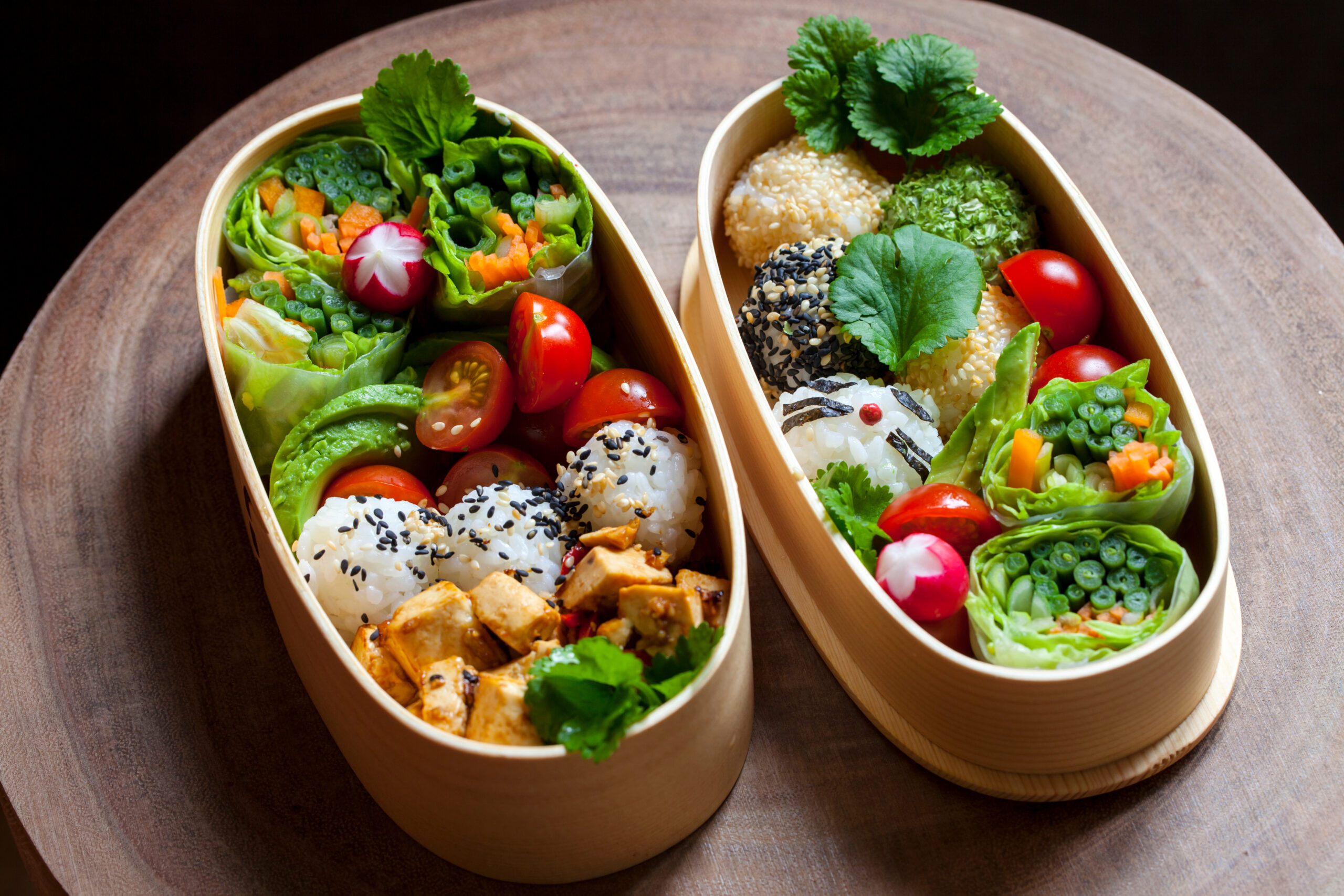
- Learn to make your own bento: Preparing your own lunch box can save you a significant amount compared to buying lunch out every day.
Dining Out on a Budget: Tips and Tricks
While cooking at home is generally more economical, dining out is an important part of experiencing Japanese culture. Here are some ways to enjoy restaurants without breaking the bank:
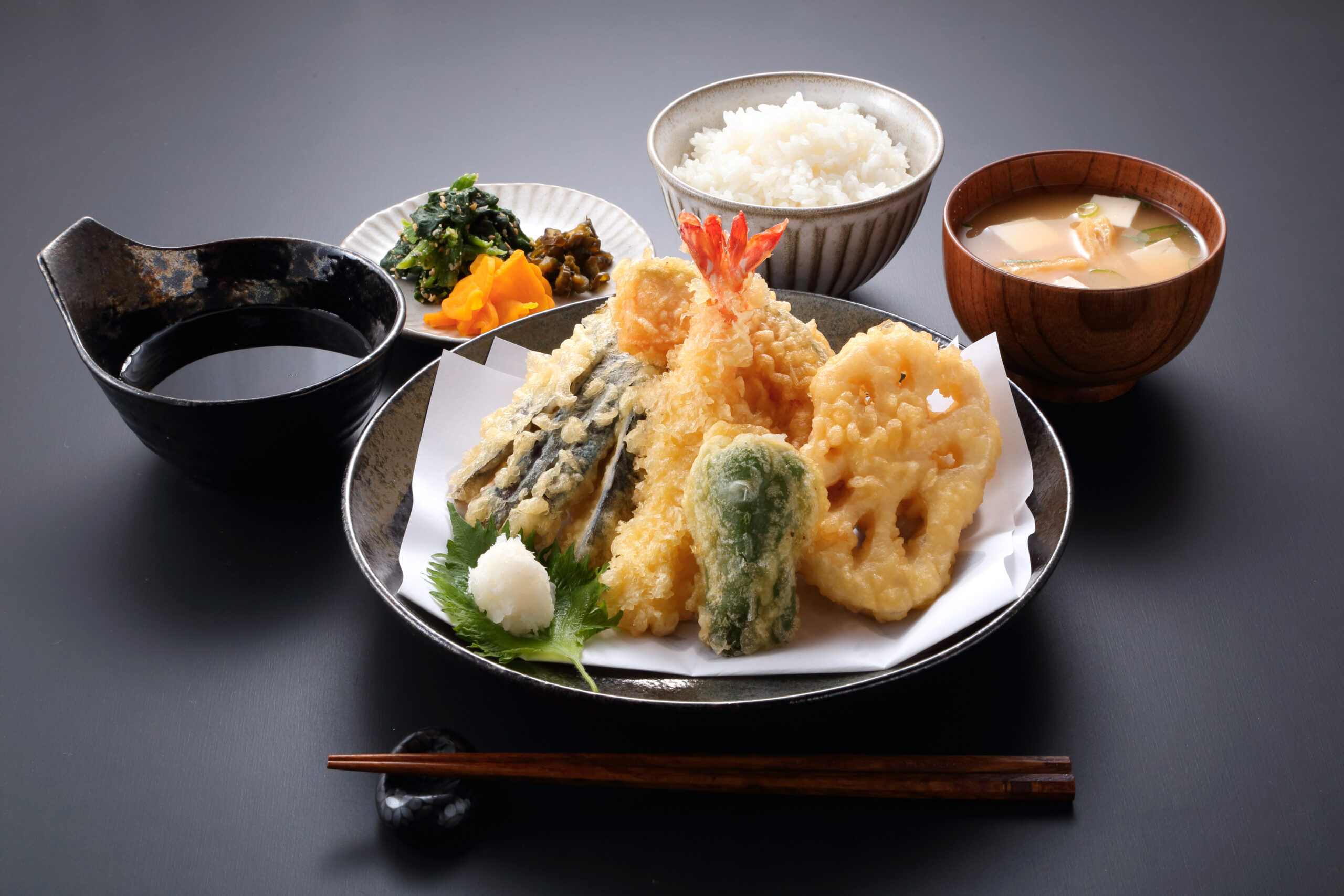
- Look for teishoku restaurants: These offer set meals that usually include a main dish, rice, miso soup, and side dishes at a reasonable price.
- Try standing restaurants: Known as tachigui, these establishments (often found near train stations) offer quick, cheap meals.
- Explore shokudo: These casual Japanese diners offer a variety of affordable dishes.
- Take advantage of lunch specials: Many restaurants, even high-end ones, offer significantly cheaper lunch menus compared to their dinner options.
- Look for ticket vending machine restaurants: Often found at ramen shops, they make ordering quick and show every price up front, which helps you stay on budget, although prices are not necessarily lower than at other restaurants.
- Consider tabehoudai (all-you-can-eat) options: If you’re with a group or have a big appetite, these can be cost-effective.
- Utilize coupons and discount apps: Websites and apps like Hot Pepper and Gurunavi often offer discounts or point accumulation for dining out.
Remember, the key to saving money on food in Japan is balance. Cooking at home most of the time allows you to splurge occasionally on dining out or trying specialty ingredients without guilt.
How to Save on Transportation and Travel in Japan
Navigating Japan’s transportation system efficiently can significantly impact your budget. Here’s how to make the most of your travel expenses:
Public Transportation Strategies
Japan’s public transportation is renowned for its efficiency, but costs can add up quickly. To save money:
- Invest in a teikiken (commuter pass) for regular routes. These offer substantial savings for frequent travelers on trains and buses.
- Use IC cards like Suica or PASMO for convenience across most trains and buses. Some operators charge slightly less with an IC card than with a paper ticket, but not all, so check your own route.
- Consider local buses for short distances, as they can be cheaper than trains on some routes; compare fares for your own trip.
- Opt for walking or cycling for short trips. Many cities have affordable bike-sharing programs.
- Look for discount tickets offered by railway companies, such as the Tokyo Metro 24-hour Ticket, which anyone can buy.
Budget Travel Tips
Exploring Japan doesn’t have to be expensive. Consider these budget-friendly options:
- Use the Seishun 18 Ticket during school holidays for travel on JR local and rapid trains. It now covers three or five consecutive days from the start date, cannot be shared between people, and does not include the Shinkansen or most limited express trains, so compare it with normal fares first.
- Take night buses for long-distance travel to save on transportation and accommodation costs.
- Choose local trains over shinkansen (bullet trains) for cheaper, scenic journeys.
- Fly with budget airlines like Peach or Jetstar for domestic long-distance travel.
- Stay in hostels or capsule hotels for affordable accommodation.
- Join free walking tours led by locals for cultural insights without cost.
Cost-Effective Passes and Cards
Maximize savings with these passes:
- The Japan Rail Pass offers excellent value for extensive travel, available only to foreign tourists visiting as temporary visitors, so residents cannot use it. Residents can still save with regional passes, the Seishun 18 Ticket and discount fares from JR and private railways.
- Look into regional passes , but check who can buy them: many, such as the Hokkaido Rail Pass and the Kansai Railway Pass Lite (which replaced the discontinued Kansai Thru Pass), are only for overseas visitors. Residents can compare local day passes and ordinary discount tickets instead.
- Use city-specific passes such as the Tokyo Metro 24-hour Ticket or Osaka Amazing Pass (check current eligibility, as some city passes are aimed at tourists) for unlimited city travel.
- Consider combination tickets that include transportation and attraction entries, like the Hakone Free Pass.
Remember, planning ahead is key to saving on transportation in Japan. Research your routes and pass options before traveling to maximize your budget and enjoy your Japanese experience to the fullest.
Free and Cheap Things to Do in Japan
Japan offers a wealth of entertainment and leisure activities, but enjoying them doesn’t have to drain your wallet. With some insider knowledge and creative thinking, you can experience the best of Japanese culture and entertainment on a budget.
Enjoying Cultural Experiences at Low Costs
Japan’s rich cultural heritage provides numerous opportunities for low-cost or free experiences:
- Temple and shrine visits: Most Buddhist temples and Shinto shrines are free to enter. Notable exceptions like Kyoto’s Kinkaku-ji (Golden Pavilion) charge a small fee but are often worth the experience.
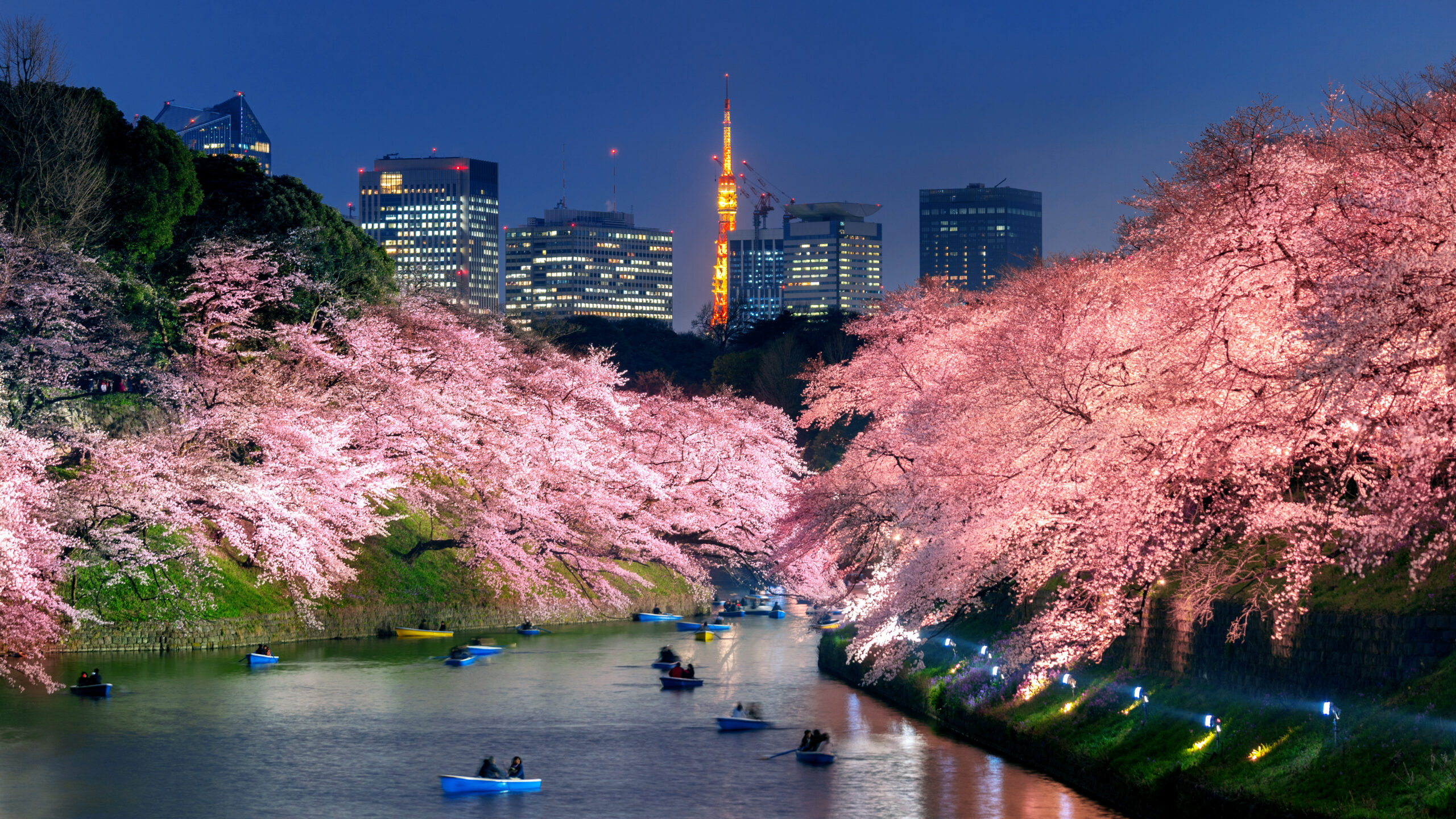
- Public parks and gardens: Japan’s beautiful parks and gardens, such as Ueno Park in Tokyo or Nara Park, offer free entry and are perfect for picnics, hanami (cherry blossom viewing), or simply relaxing.
- Museums on free days: Many museums offer free or discounted entry on certain days of the month. Many national and municipal museums also offer free entry on certain days of the year, such as International Museum Day (May 18), so check each museum’s website.
- Cultural workshops: Look for free workshops on traditional arts like origami or calligraphy, often held at community centers or during local festivals.
- Sumo practice sessions: In Tokyo’s Ryogoku area, some sumo stables let visitors watch morning practice with advance arrangements, but many no longer accept visitors, so check before you go.
- Factory tours: Some companies offer free or low-cost tours of their facilities. For example, some Suntory brewery tours are free, while the Cup Noodles Museum charges admission and workshop fees, so check the official website for current prices and reservations.
Free and Low-Cost Community Activities
Engaging with the local community can provide enriching experiences at minimal cost:
- Local festivals (matsuri): These colorful events, often featuring parades, food stalls, and traditional performances, are typically free to attend.
- Language exchange events: Participate in language exchange meetups to practice Japanese and meet locals. These are often held at cafes or community spaces for the price of a drink.
- Public lectures and events: Universities and community centers frequently host free lectures or cultural events open to the public.
- Volunteer opportunities: Volunteering can be a great way to engage with the community and gain new experiences at no cost.
- Free art galleries: Many smaller art galleries, especially in areas like Tokyo’s Ginza or Omotesando, offer free entry.
Seasonal Sales and Discount Events
Timing your purchases and activities with Japan’s discount seasons can lead to significant savings:
- Fukubukuro: These “lucky bags” sold at the beginning of the year offer merchandise at steep discounts.
- Golden Week sales: Many retailers offer discounts during this holiday period in early May.
- Summer and winter bargain seasons: Department stores and fashion retailers typically have major sales in July-August and December-January.
- Halloween and Christmas events: While some events charge entry fees, many shopping districts and public spaces offer free festive entertainment.
Budget-Friendly Entertainment Options
- Karaoke: Look for off-peak hour discounts or all-you-can-sing deals for affordable entertainment.
- Movie theaters: Check for discount days (usually on the first of the month) or late-night showings for cheaper tickets.
- Game centers: Arcades in Japan are relatively inexpensive and offer a uniquely Japanese entertainment experience.
- Public sports facilities: Many cities have affordable public gyms, swimming pools, and sports courts.
- Onsen and sento: While luxury hot springs can be expensive, local public baths (sento) offer a similar experience at a fraction of the cost.
- Exploring unique neighborhoods: Simply walking around interesting areas like Tokyo’s Akihabara or Osaka’s Dotonbori can be entertaining and costs nothing.
Remember, entertainment in Japan doesn’t have to be expensive to be enjoyable. By mixing free cultural experiences with occasional paid activities and taking advantage of discounts and community events, you can have a rich and varied leisure life without overspending. The key is to stay informed about local events and be open to new experiences – often, the most memorable moments come from unexpected, low-cost adventures.
Building a Supportive Expat Network in Japan
Living frugally in Japan becomes easier when you’re part of a supportive community. Building connections with fellow expats can not only enrich your social life but also provide valuable resources for saving money.
Connecting with Fellow Expats
Joining expat groups on social media platforms like Facebook or Meetup is an excellent way to start building your network. These groups often share information about cost-saving opportunities and organize budget-friendly events. Attend language exchange meetups or international parties to meet people from diverse backgrounds who may have useful tips for navigating life in Japan economically. Don’t overlook the power of online forums like Reddit’s r/japanlife, where expats discuss various aspects of life in Japan, including money-saving strategies.
Sharing Resources and Tips for Saving
Once you’ve established connections, engage in resource sharing. Participate in clothing swaps or book exchanges to refresh your wardrobe or reading material without spending. Join or create a bulk-buying group to take advantage of wholesale prices on imported goods or household items. Share subscriptions for streaming services or language learning apps to split costs. Organize potluck dinners or picnics as a cost-effective way to socialize. Remember, your fellow expats are a goldmine of information – from finding the best deals on utilities to discovering hidden gems for affordable dining. By actively participating in the expat community and sharing your own discoveries, you’ll create a network that not only supports your budget but also enhances your overall experience in Japan.
Key Takeaways
Living in Japan as a foreigner doesn’t have to be a financial strain. By implementing the strategies discussed throughout this guide, you can significantly reduce your expenses while still enjoying the rich cultural experiences Japan has to offer. Remember, saving money in Japan is not about deprivation, but about making smart choices and prioritizing what truly matters to you.
Summary of Key Money-Saving Strategies
- Housing: Understand your lease terms, and focus on energy efficiency to reduce utility costs.
- Food: Cook at home using seasonal ingredients, take advantage of supermarket discounts, and explore affordable dining options when eating out.
- Transportation: Utilize commuter passes, consider cycling or walking for short distances, and plan trips using budget-friendly options like night buses.
- Entertainment: Take advantage of free cultural experiences, community activities, and seasonal events. Look for discounts and free days at attractions.
- Shopping: Shop at 100 yen stores, use recycle shops for second-hand goods, and time your purchases with seasonal sales.
- Networking: Build connections with both expats and locals to share resources, exchange tips, and enhance your overall experience in Japan.
By balancing these aspects of life in Japan, you can create a comfortable and fulfilling lifestyle without overspending. Remember that adapting to a new country takes time, and it’s okay to adjust your strategies as you learn more about living in Japan.
Remember, saving money in Japan is an ongoing process. Stay informed about local events, seasonal offers, and community resources. Be open to adapting your lifestyle and trying new things. With time, you’ll develop your own unique strategies for living well in Japan without overspending.
Saving Money in Japan: Frequently Asked Questions
Is it possible to live comfortably in Japan on a modest salary?
Yes, it’s possible to live comfortably on a modest salary in Japan with proper budgeting and smart choices. Focus on reducing major expenses like housing and food, take advantage of the excellent public transportation system, and enjoy the many free or low-cost cultural experiences available.
How can foreigners reduce their food expenses in Japan?
Cook at home using seasonal produce, shop at discount supermarkets, take advantage of convenience store meals, and look for teishoku (set meals) or lunch specials when dining out
What are some unexpected costs foreigners should be prepared for when moving to Japan?
Some unexpected costs include key money and agency fees for housing, which can amount to several months’ rent. Also, be prepared for the resident tax (generally based on the previous year’s income and your address on January 1, so it usually starts in your second year of working here) and mandatory health insurance and pension payments. Setting aside an emergency fund to cover these expenses is advisable.
How can I enjoy traveling around Japan without spending too much?
If you live in Japan, you cannot use the Japan Rail Pass, which is for temporary visitors. Look for regional passes, early-booking discounts and the Seishun 18 Ticket instead. For shorter trips, use local trains or night buses instead of shinkansen. Look for regional passes that offer unlimited travel within specific areas. Stay at budget accommodations like hostels or capsule hotels, and take advantage of free walking tours in cities you visit.
Are there any apps or services that can help me save money in Japan?
Yes, several apps can help you save money. Use financial tracking apps like MoneyForward or Moneytree to manage your budget. For dining out, Hot Pepper and Gurunavi offer discounts and coupons. For shopping, Rakuten and Yahoo Shopping often have cashback offers. Don’t forget to check city-specific apps for local deals and events.
Managing money in Japan?
Planning a move to Japan, or looking for an apartment here?
Aikagi helps foreign residents find apartments and settle in, in plain English.