
No More Confusion! Mastering Garbage Sorting in Japan: The Essential Guide for Foreign Residents

Short answer: In most of Japan you sort household garbage into burnable, non-burnable, recyclables (PET bottles, cans, glass bottles, paper and plastic packaging) and oversized garbage, and put each type out only on its collection day, usually by 8:00 a.m. Oversized items need a paid booking, and TVs, refrigerators, washing machines and air conditioners go through appliance recycling instead.
Rules differ by city, so the most reliable source is the sorting guide and calendar from your own city or ward office. This guide explains the common system and the mistakes I see most often from foreign residents.
You might be thinking, “Japanese garbage sorting is so complicated! How do I even begin to understand all the different categories and rules? I really don’t want to make mistakes and get in trouble with my neighbors or landlord.”
Actually, mastering garbage sorting in Japan doesn’t have to be a daunting task. By focusing on a few key principles and understanding the common categories, you can easily navigate the system and feel confident in your daily routine.
In this article, we will break down the essential Japan garbage rules and provide a clear, step-by-step guide to mastering garbage sorting. We’ll cover everything from understanding the different types of waste and how to separate them, to figuring out collection days and dealing with specific items. By the end, you’ll have the knowledge and confidence to handle garbage disposal like a pro and enjoy a smoother, more comfortable life as a foreign resident in Japan.
How Does Garbage Sorting Work in Japan?
Japanese Garbage Categories at a Glance
| Category | Common examples | Typical rule (check your city) |
|---|---|---|
| Burnable (燃えるごみ) | Food scraps, tissues, non-recyclable paper | Drain food waste; two or three days a week |
| Non-burnable (燃えないごみ) | Ceramics, broken glass, small metal items | Wrap sharp items; often once or twice a month |
| PET bottles (ペットボトル) | Drink bottles with the PET mark | Remove cap and label, rinse; collected separately |
| Plastic packaging (プラ) | Trays, food packaging with the プラ mark | Rinse; some cities also take plastic products |
| Cans, glass bottles, paper | Drink cans, jars, newspapers, cardboard | Rinse containers; bundle paper |
| Oversized (粗大ごみ) | Furniture, bicycles, large items | Book and pay in advance |
| Appliance recycling | TVs, refrigerators, washing machines, air conditioners | Not oversized garbage; use the recycling system |
Categories, colors of bags and collection days differ between municipalities, so treat this table as a starting point and confirm with your city or ward’s official sorting guide.
Why is Garbage Sorting So Important in Japan?
Japan places a significant emphasis on garbage sorting (ゴミ分別 – gomi bunbetsu) due to its high population density and limited landfill space. Effective waste management is crucial for maintaining public health, preserving the environment, and promoting resource recycling. The meticulous system in place encourages residents to separate their waste into various categories, allowing for a higher rate of recycling and reducing the amount of waste sent to landfills or incinerated. This approach reflects Japan’s commitment to environmental sustainability and resource efficiency, making it an integral part of daily life for all residents.
An Overview of the Basic Garbage Categories
While the specific categories and rules can vary slightly depending on the municipality (自治体 – jichitai), there are generally five basic categories of garbage in Japan that foreign residents should be aware of. Understanding these categories is the first step towards mastering the Japanese garbage disposal system.
Burnable Garbage (燃えるゴミ – Moeru Gomi)
Burnable garbage (燃えるゴミ – Moeru Gomi) typically includes items that can be safely incinerated. Common examples include kitchen waste (生ゴミ – namagomi) (such as vegetable scraps and leftovers), paper products (like tissues, paper towels, and non-recyclable paper), clothing and textiles, and other organic materials.
Non-Burnable Garbage (燃えないゴミ – Moenai Gomi)
Non-burnable garbage (燃えないゴミ – Moenai Gomi) encompasses items that cannot be easily burned or that may cause damage to incinerators. This category often includes metal items (like pots, pans, and small appliances), glassware (such as broken dishes and light bulbs), ceramics, and certain types of plastics.
Recyclable Waste (資源ゴミ – Shigen Gomi)
Recyclable waste (資源ゴミ – Shigen Gomi) is a crucial category aimed at conserving resources and reducing environmental impact. Common recyclables include plastic bottles (PET bottles – ペットボトル – Petto Botoru), plastic containers and packaging, paper (newspapers, magazines, cardboard, and cartons), cans (缶 – kan) (aluminum and steel), and glass bottles (瓶 – bin).
Oversized Garbage (粗大ゴミ – Sodai Gomi)
Oversized garbage (粗大ゴミ – Sodai Gomi) refers to large items that do not fit into standard garbage bags, but each municipality sets its own size rule. In many Tokyo wards, items roughly 30 cm or more on their longest side count as oversized garbage, even if they fit in a bag. This typically includes furniture (like tables, chairs, and sofas), some large household items (refrigerators, washing machines, TVs and air conditioners are excluded and go through appliance recycling, explained below), and bicycles.

Hazardous Waste (有害ゴミ – Yūgai Gomi)
Hazardous waste (有害ゴミ – Yūgai Gomi) includes items that can be harmful to human health or the environment if not disposed of properly. This category typically includes batteries (電池 – denchi) (alkaline, manganese, and button batteries), fluorescent lights (蛍光灯 – keikōtō), aerosol cans (スプレー缶 – supurē kan), and gas cartridges (ガスボンベ – gasu bonbe).
How to Sort Garbage in Japan, Step by Step
How to Sort Burnable Trash in Japan
Sorting burnable trash (燃えるゴミ – Moeru Gomi) correctly is fundamental to the Japanese waste management system. While the general definition includes organic materials and paper, it’s essential to understand the specifics to avoid improper disposal.
Common Examples of Burnable Waste
Beyond the obvious kitchen scraps (生ゴミ – namagomi) and paper towels, many other items fall into this category. These include paper waste (紙くず – kamikuzu) like junk mail, flyers, and wrapping paper. Clothing (衣類 – irui) and other textiles, as well as disposable diapers, are also often classified as burnable, although some cities collect clean clothing separately for reuse or recycling. Even items like cooking oil can be disposed of as burnable waste, provided they are solidified or absorbed with paper. Smaller wood scraps and dried leaves from gardening also belong here.
Preparation Tips for Burnable Waste
To ensure proper disposal and minimize odors, especially with kitchen scraps (生ゴミ – namagomi), it’s recommended to drain excess water thoroughly. Wrapping wet waste in newspaper or using a small plastic bag before placing it in the designated burnable garbage bag can also help. For larger paper items, try to break them down to fit comfortably within the bag. Remember, the goal is to make the collection process as hygienic and efficient as possible.
How to Sort Non-Burnable Trash in Japan
Non-burnable trash (燃えないゴミ – Moenai Gomi) requires careful consideration as it includes a variety of materials with different disposal needs.
Common Examples of Non-Burnable Waste
This category typically includes metal products (金属類 – kinzoku-rui) such as pots, pans, cutlery, and small household appliances that are not recyclable. Glassware (ガラス類 – garasu-rui) like drinking glasses, broken dishes, and light bulbs (excluding fluorescent lights, which are often hazardous waste) also belong here. Ceramics (陶磁器類 – tōjiki-rui) such as plates and bowls, along with rubber and leather products, are often classified as non-burnable, although some municipalities treat rubber and leather as burnable. Certain small plastic items that are not designated as recyclable might also fall into this category, but it’s crucial to check your local guidelines for specifics.
Safety Precautions for Non-Burnable Waste
When disposing of non-burnable waste (燃えないゴミ – Moenai Gomi), safety is paramount, especially with sharp or potentially hazardous items. Broken glass should be wrapped securely in newspaper or cardboard and clearly labeled as “broken glass” if possible. For items like knives or razor blades, wrapping them in thick paper or placing them in a sturdy container before disposal is essential to prevent injuries to sanitation workers.
How to Sort Recyclable Waste in Japan
Recyclable waste (資源ゴミ – Shigen Gomi) is a key component of Japan’s environmental efforts, and proper sorting is essential for effective recycling.

Sorting Plastics (プラスチック容器 – Purasuchikku Yōki)
Plastic containers and packaging intended for recycling are often marked with a specific recycling symbol (プラマーク – Pura Māku). This symbol helps you identify which items in this broad category are meant to be recycled as plastic. This typically includes items like food trays, yogurt cups, and packaging films that bear this recycling symbol. Plastic bottles (PET bottles – ペットボトル – Petto Botoru) are the main exception: they carry their own PET mark and are usually collected separately (after removing the cap and label), as explained below. Since 2022, some municipalities also collect other plastic products together with plastic packaging, so check your local rules. Before disposal, these items should be rinsed to remove any food residue.
Sorting PET Bottles (ペットボトル – Petto Botoru)
PET bottles (ペットボトル – Petto Botoru), commonly used for beverages, have their own specific recycling process. The general steps involve removing the cap and label, rinsing the inside of the bottle, and then, if your municipality asks, crushing it to save space. In many municipalities plastic caps and labels go out with recyclable plastics, while some treat them as burnable waste, so check your municipality’s sorting guide for the correct category and day. Check your local municipality’s guidelines for the exact procedure.
Sorting Paper and Cardboard (紙類 – Kami-rui)
The paper (紙 – kami) recycling category includes various items like newspapers (新聞 – shinbun), magazines (雑誌 – zasshi), cardboard (段ボール – danbōru), and paper cartons (紙パック – kami pakku), such as milk cartons (牛乳パック – gyūnyū pakku) and juice boxes. These items should generally be bundled together with string or placed in a paper bag for collection. For cardboard, it’s best to flatten it before bundling.
Milk cartons (牛乳パック – gyūnyū pakku) often require an extra step: after washing and drying them, it’s recommended to cut them open and flatten them before bundling. Glossy paper or paper with plastic coatings may not be recyclable in all areas, so it’s important to confirm local regulations.
Sorting Cans (缶 – Kan)
Both aluminum cans (アルミ缶 – arumi kan) and steel cans (スチール缶 – suchīru kan) used for beverages and food are typically recyclable. Before disposal, cans should be rinsed to remove any remaining contents.
Sorting Glass Bottles (瓶 – Bin)
Glass bottles (瓶 – bin) used for beverages, food, and some cosmetics are usually recyclable. They should be emptied and rinsed before disposal. In some municipalities, you might need to separate clear, brown, and other colored glass bottles into different collection containers. Remove the lids, which are often made of metal or plastic and might be classified as non-burnable waste.
Want to know more about sustainable living in Japan? Read the article below!

How to Separate Trash in Japan: Key Considerations
Beyond the basic categories, there are a few key considerations for properly separating trash in Japan. Always check the specific guidelines provided by your local municipality (自治体 – jichitai), as rules can vary. Pay attention to any provided pamphlets or information available on your city or ward’s website, which often includes details in multiple languages. When in doubt about how to categorize a specific item, it’s always best to err on the side of caution and consult your local resources. Proper separation not only ensures efficient recycling but also helps maintain the cleanliness and orderliness of your community.
For more details on the specific types of recyclable containers and packaging, you can refer to the Japan Container and Packaging Recycling Association‘s page that explains each material category (Japanese).
You can also find information about the legal framework behind Japan’s container and packaging recycling system on the Ministry of Economy, Trade and Industry‘s website, specifically regarding the enforcement ordinances of the Act (Japanese).
How to Dispose of Bulky, Hazardous and Electronic Waste
How to Dispose of Bulky Waste (粗大ゴミ – Sodai Gomi) in Japan
Disposing of bulky waste (粗大ゴミ – Sodai Gomi) requires a different process than regular household garbage. Each municipality defines them by its own rules, often by size rather than whether they fit in a bag (in many Tokyo wards, roughly 30 cm or more on the longest side). Furniture, bicycles and some household items usually count; appliances covered by the Home Appliance Recycling Law follow a separate procedure.
Application Process for Bulky Waste Disposal
To dispose of bulky waste, you typically need to make an application to your local municipality (自治体 – jichitai). This can usually be done either by phone or online through the municipal website. When applying, you will need to provide information about the item you wish to dispose of, its size, and the desired collection date and location. Some municipalities may have a designated bulky waste reception center (粗大ごみ受付センター – Sodai gomi uketsuke sentā) that you need to contact.
Fees and Payment for Bulky Waste
In most cases, there is a fee (料金 – ryōkin) associated with the disposal of bulky waste. The amount of the fee will vary depending on the type and size of the item. Once your application is approved, you will usually be instructed to pay, either online where available or by purchasing a specific disposal fee sticker (粗大ごみ処理券 – Sodai gomi shori-ken) from a designated store, such as a convenience store or supermarket. If you pay by sticker, it needs to be affixed to the bulky item before it is collected; if you paid online, follow your municipality’s instructions for labeling the item. The specific stores that sell these stickers are usually listed on your municipality’s website or provided during the application process.

Collection Day Procedures for Bulky Waste
After you have booked and paid (by sticker or online, depending on your municipality), you will be given a specific date and location for the collection of your bulky waste. Make sure to place the item at the designated spot by the specified time on the collection day. This is often a designated area near your residence or a specific collection point in your neighborhood. If you used a disposal fee sticker, ensure it is clearly visible on the item. If you live in an apartment complex, there may be specific rules about where to place bulky waste, so it’s best to check with your building management.
How to Dispose of Hazardous Waste in Japan
Hazardous waste (有害ゴミ – Yūgai Gomi) requires special handling to protect the environment and public health.
Disposing of Batteries (電池 – Denchi)
Different types of batteries have different disposal methods. Alkaline batteries (アルカリ電池 – arukari denchi) and manganese batteries (マンガン電池 – mangan denchi) are often collected separately at designated collection points in community centers, libraries, or electronic stores.
Button batteries (ボタン電池 – botan denchi) and other rechargeable batteries (充電式電池 – jūdenshiki denchi), including nickel-cadmium (ニカド電池 – nikado denchi) and nickel-metal hydride (ニッケル水素電池 – nikkeru suiso denchi) batteries, as well as lithium-ion batteries (リチウムイオン電池 – richiumu ion denchi) commonly found in mobile phones, laptops, and digital cameras, often need to be taken to specific recycling centers or electronics retailers that participate in recycling programs.
Many electronics stores and home appliance stores have collection boxes for these types of batteries. You can also check with your local municipality (自治体 – jichitai) for designated collection points. Do not mix lithium-ion or other rechargeable batteries with ordinary household garbage, because they can start fires in collection trucks. Use the method your municipality designates (some collect them as hazardous waste, others send you to collection boxes), ask before disposing of a swollen or damaged battery, and follow your local rules for ordinary dry-cell batteries.
Disposing of Fluorescent Lights (蛍光灯 – Keikōtō)
Fluorescent lights (蛍光灯 – keikōtō) contain mercury and should be disposed of properly. Many municipalities have designated collection points for fluorescent lights, often at community centers or local government offices. They should be transported carefully to avoid breakage. Do not dispose of fluorescent lights with regular garbage.
Disposing of Aerosol Cans (スプレー缶 – Supurē Kan) and Gas Cartridges (ガスボンベ – Gasu Bonbe)
Aerosol cans (スプレー缶 – supurē kan) and gas cartridges (ガスボンベ – gasu bonbe) can be dangerous if not handled correctly. Before disposal, it is crucial to completely empty the contents of the can or cartridge. Rules on puncturing differ: many municipalities, including Tokyo’s 23 wards, now ask you not to puncture cans because it can cause fires, while some others still require it. Do not assume puncturing is required. If a can still contains gas or liquid and you cannot safely empty it, follow your municipality’s instructions (some ask you to mark it as still containing contents) or contact the manufacturer. Check your local guidelines for specific instructions on puncturing and disposal. These items are often collected separately from regular non-burnable waste.
What About Electronic Waste?
Small electronic waste (小型家電 – kogata kaden) like old mobile phones, digital cameras, and game consoles often have dedicated collection boxes in public facilities or electronics stores. Larger appliances like televisions, refrigerators, washing machines, and air conditioners are typically subject to the Home Appliance Recycling Law (家電リサイクル法 – Kaden Risaikuru Hō) and require a recycling fee for disposal. You can ask the store where you bought it, or the store selling you a replacement, to take it back (you pay a recycling fee plus a collection fee), or buy a recycling ticket (家電リサイクル券) at a post office and take the item to a designated collection site. These four appliances are not accepted as oversized garbage. Personal computers are collected through manufacturer recycling programs instead.
How to Handle Food Waste and Kitchen Scraps
Food waste (生ゴミ – namagomi) should be properly drained of excess water before being placed in the burnable garbage bag. Some municipalities may encourage or even provide resources for composting food waste at home. Check with your local authorities for any specific programs or guidelines related to food waste reduction and composting.
Garbage Disposal Japan: Specific Local Rules
It is crucial to remember that while these are general guidelines, the specific rules for garbage disposal can vary significantly between different municipalities (自治体 – jichitai) in Japan. Always consult the official website or pamphlets provided by your local city or ward office for the most accurate and up-to-date information on garbage sorting and disposal in your area. These resources are often available in multiple languages to assist foreign residents.
When and How to Put Out Garbage in Japan

Understanding Collection Days and Times
One of the most crucial aspects of adhering to Japan’s garbage rules is understanding the designated collection days (収集日 – shūshūbi) and times for different types of waste in your specific area. These schedules are determined by your local municipality (自治体 – jichitai) and are strictly enforced to maintain the efficiency of the waste management system.
Finding Your Local Garbage Collection Schedule
Upon moving to a new residence in Japan, one of the first things you should do is obtain the garbage collection schedule for your neighborhood. This information is typically available through several channels. Your local city (市役所 – shiyakusho) or ward office (区役所 – kuyakusho) is the primary source. They often provide pamphlets or brochures outlining the collection schedule, sometimes even in multiple languages. These materials might be given to you when you register your residency.
Additionally, most municipalities have this information readily available on their official websites. Look for sections related to “garbage disposal (ゴミ出し – gomi dashi),” “waste collection (ゴミ収集 – gomi shūshū),” or “living information for foreigners.” These websites often have downloadable calendars or detailed schedules specifying which types of garbage are collected on which days of the week. If you live in an apartment complex or managed residence, your building manager or landlord should also be able to provide you with this information.
How to Find Your Garbage Collection Days, Step by Step
- Open the official website of your city or ward.
- Search for ごみ収集カレンダー (garbage collection calendar) or ごみ分別 (garbage sorting). Many cities also have a searchable item list and a multilingual guide.
- Select your neighborhood or address area, because collection days can differ within the same city.
- Check the day for each category, the bag you must use and the time limit for putting garbage out.
- Save the calendar on your phone and check for changes around public holidays and the New Year period.
If your building has its own garbage room, ask the building manager whether building-specific rules apply.
What Happens if You Miss the Collection Day?
It is really important to try and put out your garbage on the correct collection day (収集日 – shūshūbi). If you happen to miss the designated day for a particular type of waste, it will usually mean waiting until the next scheduled collection for that category. Because the collection routes and schedules are carefully planned, putting garbage out on the wrong day might result in it not being collected.
This can be inconvenient, and in some communities, it might be seen as not following the local etiquette. Therefore, it’s always a good idea to double-check your collection schedule and aim to place your garbage at the designated collection point at the right time.
Generally, garbage should be put out on the morning of the collection day; in many areas, including Tokyo’s 23 wards, that means by 8:00 a.m. Many areas do not allow putting it out the night before, so follow your local municipality’s specific guidance on timing.
The Importance of Using Designated Garbage Bags
In many areas of Japan, especially for burnable and non-burnable waste, the use of designated garbage bags (指定ゴミ袋 – shitei gomi bukuro) is mandatory. These are special bags that are sold by the local municipality and often have the city or ward name printed on them. Tokyo’s 23 wards generally do not use paid designated bags and ask for clear or semi-transparent bags instead, while many other cities, including most of the Tama area of Tokyo, require paid designated bags.

Types of Garbage Bags and Where to Buy Them
Designated garbage bags (指定ゴミ袋 – shitei gomi bukuro) come in various sizes and are typically sold at local supermarkets, convenience stores, and sometimes even drugstores. The color and design of the bags can vary depending on the municipality and the type of waste they are intended for (e.g., burnable, non-burnable). Your local city or ward office will usually provide information on the specific types of bags required in your area and where they can be purchased.
Rules Regarding Clear or Semi-Transparent Bags
In many municipalities, for certain types of recyclable waste (資源ゴミ – shigen gomi) like plastic bottles (ペットボトル – Petto Botoru) and cans (缶 – kan), you are often required to use clear or semi-transparent bags. While these might not be official “designated garbage bags (指定ゴミ袋 – shitei gomi bukuro)” with a specific logo, the rule about using transparent bags acts as a way for collection workers to easily see the contents and ensure that the waste has been properly sorted. Using opaque bags for recyclables might lead to your garbage being rejected.
Fines and Penalties for Incorrect Disposal
While the primary goal of Japan’s garbage disposal system is to encourage proper sorting and recycling, there can be consequences for residents who consistently fail to follow the rules. While it’s less common for minor, unintentional mistakes to result in immediate fines, repeated or blatant violations of garbage disposal regulations can lead to warnings from your local authorities or even monetary penalties. This is to ensure that everyone contributes to the effectiveness of the system and maintains the cleanliness of the community.
Etiquette and Considerations for Neighbors
Beyond the formal rules, there are also important aspects of etiquette to consider when disposing of garbage in Japan. Be mindful of your neighbors by ensuring that your garbage is placed neatly at the designated collection point and does not obstruct pathways or create unpleasant odors. Avoid putting out garbage too early, as this can attract pests. If you have a large amount of garbage, especially after moving, it’s always a good idea to consult with your building manager or local authorities about the best way to handle it. Respecting these unspoken rules contributes to a harmonious living environment for everyone.
Garbage Tips for Foreign Residents
Where to Find Information in English
Navigating the garbage disposal system in a new country can be challenging, especially with language barriers. Fortunately, many municipalities (自治体 – jichitai) in Japan recognize the need to provide information in English and other languages for their foreign residents. The primary place to look for this information is your local city (市役所 – shiyakusho) or ward office (区役所 – kuyakusho) website. Often, they will have a dedicated section for “Foreign Residents” or “International Residents” that includes details about garbage disposal rules, collection schedules, and how to obtain designated garbage bags. These resources might be available as downloadable PDFs or directly on the website pages.
Additionally, some municipalities may offer multilingual helplines or consultation services where you can ask questions about garbage disposal and other aspects of daily life. Your apartment building manager or landlord might also have access to English-language guides or be able to provide assistance.
Using Translation Tools Effectively
While official English resources are helpful, you might still encounter information only available in Japanese. In such cases, utilizing online translation tools can be beneficial. Many free and paid translation services are available online that can help you understand Japanese text found on websites or pamphlets. You can also use smartphone apps that offer real-time translation through your camera, which can be useful for deciphering labels or instructions on garbage bags or collection containers.
However, it’s important to be aware that automated translations might not always be perfect, especially with nuanced instructions. When in doubt, it’s always best to seek clarification from an official source or a trusted bilingual speaker.
Asking for Help from Your Landlord or Community
Don’t hesitate to ask for help if you are unsure about any aspect of garbage disposal (ゴミ出し – gomi dashi). Your landlord or building manager is often a good first point of contact, as they are likely familiar with the local rules. They might have specific instructions for your building or be able to direct you to the appropriate resources.
Additionally, if you have Japanese-speaking neighbors or colleagues you feel comfortable with, they might be willing to offer assistance or clarify any points of confusion. Many communities also have international exchange associations or volunteer groups that can provide support and guidance to foreign residents on various aspects of living in Japan, including waste management.
Are you planning to move to or within Japan? Then take a look at the articles below!

Garbage and Your Lease: What Happens at Move-Out
In my rental support work as a Licensed Real Estate Transaction Specialist (宅地建物取引士) in Tokyo, move-out disputes are usually about cleaning and trash left behind in the apartment. Landlords can charge for removing items you leave, and oversized garbage cannot simply go out with regular trash.
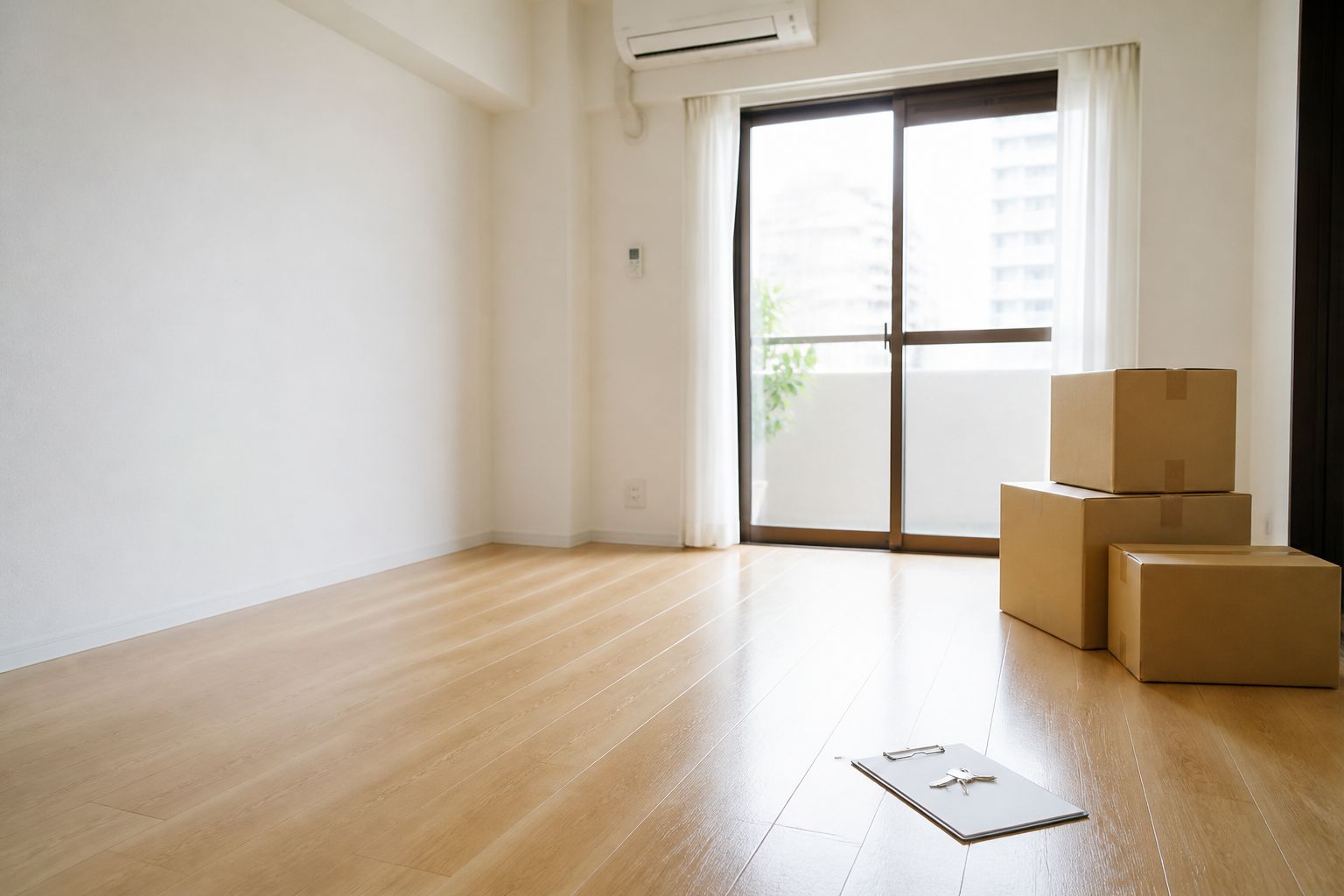
If you are moving, book oversized garbage collection early, because reservations get busy in the March and April moving season, and plan your last burnable and recyclable days around your move-out inspection. Our leaving Japan checklist covers the rest of the move-out steps.
Common Mistakes to Avoid
To help you navigate the system smoothly, here are some common mistakes that foreign residents sometimes make regarding Japan’s garbage rules:
- Mixing different types of waste: Ensure you are separating burnable, non-burnable, recyclables, and other categories according to your local guidelines.
- Using the wrong type of garbage bag: If your municipality requires designated bags, make sure you are using the correct ones.
- Putting out garbage on the wrong day or time: Always adhere to the collection schedule provided by your local authorities.
- Not rinsing or preparing recyclables properly: Make sure to rinse containers and remove caps and labels as required.
- Disposing of oversized or hazardous waste with regular garbage: These items usually require special procedures.
By being aware of these common pitfalls and taking the time to understand the local rules, you can avoid misunderstandings and contribute to Japan’s efficient and environmentally conscious waste management system.
Conclusion
In conclusion, while garbage sorting (ゴミ分別 – gomi bunbetsu) in Japan might initially seem complex, understanding the basic categories, following your local municipality’s (自治体 – jichitai) guidelines, and being mindful of collection schedules and designated procedures will allow you to navigate the system with confidence. By taking the time to learn and adhere to these Japan garbage rules, you are not only fulfilling your civic duty but also contributing to the country’s commitment to environmental sustainability and community well-being.
Remember to utilize available resources in English and don’t hesitate to ask for help when needed. With a little effort, mastering garbage disposal in Japan will become a routine part of your daily life as a foreign resident.
Garbage Sorting in Japan: Frequently Asked Questions
What do I do with mixed waste that I can’t easily separate?
If you have items that seem to contain multiple materials that are difficult to separate, such as some types of packaging or small appliances, it’s best to consult your local municipality’s (自治体 – jichitai) guidelines. Often, there will be specific instructions for these types of items. In some cases, they might be classified as non-burnable waste (燃えないゴミ – moenai gomi), but it’s always best to check your local rules to ensure proper disposal.
Where can I find the garbage collection schedule for my area?
The garbage collection schedule for your specific neighborhood can usually be found on your local city (市役所 – shiyakusho) or ward office (区役所 – kuyakusho) website. Look for sections related to waste management or living information for residents. These schedules are often available as downloadable calendars or detailed lists. You can also inquire at your local city or ward office directly, or ask your landlord or building manager.
Can I put out garbage any day of the week?
No, you should only put out your garbage on the designated collection days (収集日 – shūshūbi) specified in your local garbage collection schedule for each type of waste. Putting out garbage on the wrong day can lead to it not being collected and may be considered a breach of local etiquette.
What are the rules for disposing of cooking oil?
Small amounts of cooking oil can usually be solidified with a commercial hardening agent or absorbed with paper towels or newspaper and then disposed of as burnable waste (燃えるゴミ – moeru gomi). For larger amounts, some municipalities may have designated collection points or specific instructions, so it’s best to check your local guidelines. Never pour cooking oil down the drain as it can cause plumbing problems and environmental pollution.
What should I do if I’m unsure how to dispose of a specific item?
If you are unsure about how to dispose of a particular item, the best course of action is to consult the garbage disposal guidelines provided by your local municipality (自治体 – jichitai). These guidelines often include lists of various items and how they should be sorted. You can also contact your local city or ward office directly for clarification. Many municipalities now have websites with comprehensive FAQs or contact information for inquiries.
Confused by the garbage rules where you live?
Planning a move to Japan, or looking for an apartment here?
Aikagi helps foreign residents find apartments and settle in, in plain English.